

UK STANDARD DELIVERY | LIGHTWEIGHT ONLY £1.95 | FLAT RATE £2.95 | NEXT DAY DELIVERY FROM £7.99 - 1.30PM DEADLINE | NO WEEKEND DELIVERY
UK STANDARD DELIVERY | LIGHTWEIGHT ONLY £1.95 | FLAT RATE £2.95 | NEXT DAY DELIVERY FROM £7.99 - 1.30PM DEADLINE | NO WEEKEND DELIVERY
TAKE 5% OFF YOUR ORDER BY SUBSCRIBING TO OUR NEWSLETTER
Haberdashery
 from
£0.15
from
£0.15
Add colour and vitality to your wardrobe with the various colours available.
TAKE 5% OFF YOUR ORDER BY SUBSCRIBING TO OUR NEWSLETTER
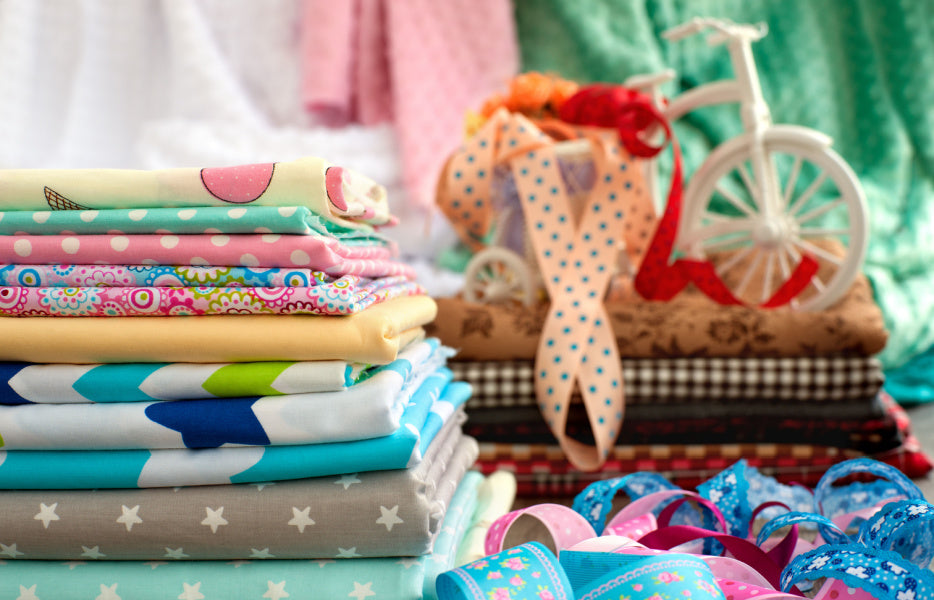
Stripes,spots,hearts & stars
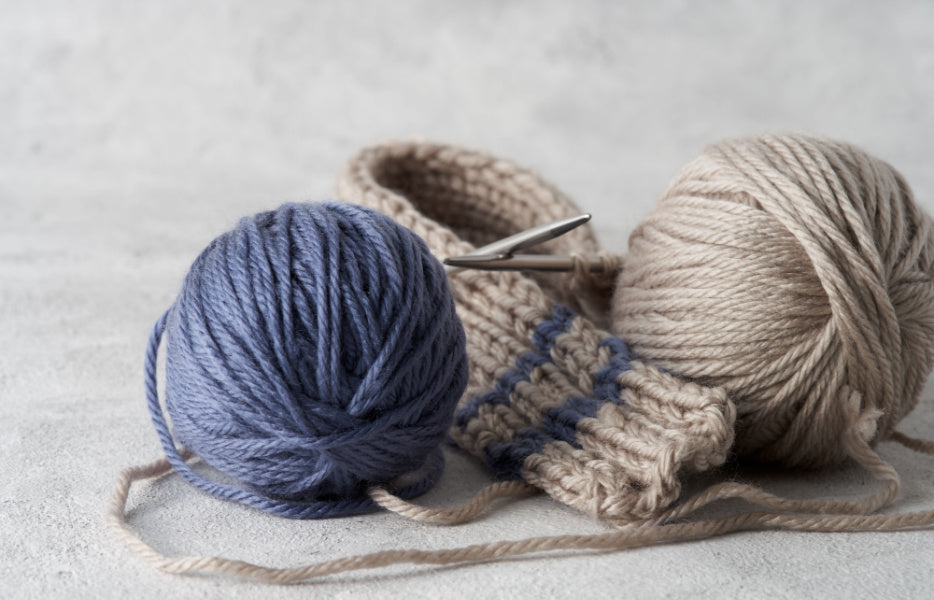
Knitting & Crochet
plain basic fabrics

Event drapery Fabric
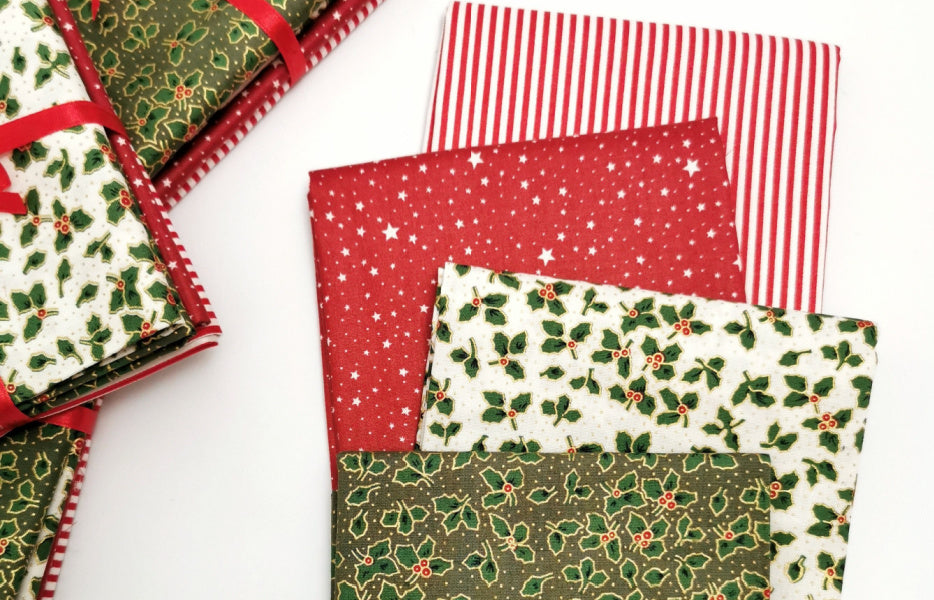
Christmas Fabrics
kids corner Crafts
TAKE 5% OFF YOUR ORDER BY SUBSCRIBING TO OUR NEWSLETTER
Explore our range of taffeta dressmaking fabrics, ideal for creating structured garments with a crisp finish and elegant sheen. Whether you’re designing formalwear or statement pieces, this collection offers versatile taffeta dress fabric options suitable for a wide range of projects. If you’re looking for more general-purpose materials, you can also explore our wider taffeta fabric range for crafts, décor, and multi-use applications.
Our taffeta dressmaking fabric range is available in a variety of colours and finishes, making it easy to find the perfect option for your design. If you’re exploring alternatives, you may also want to browse our satin dress fabric, organza fabric, and brocade dress fabric collections, which are also popular choices for structured garment making.
All of our taffeta dress fabric is available by the metre, giving you the flexibility to order exactly what you need.
Taffeta is a popular dressmaking material known for its crisp texture and ability to hold shape. It is often used for garments that require volume, structure, and a more defined silhouette.
Key benefits of taffeta dressmaking fabric include:
Crisp texture that holds structure well
Smooth surface with a subtle sheen
Ideal for formalwear and occasion garments
Suitable for creating volume and shape
This makes taffeta dress fabric a great choice for garments that require both structure and visual impact.
At Cheap Fabrics, we offer a wide range of taffeta dressmaking fabric at competitive prices, with options to suit different budgets while maintaining consistent quality.
Our collection includes a variety of options such as plain taffeta, textured finishes, and structured styles, giving you flexibility across different designs and projects. All fabrics are sold by the metre, so you can order the exact amount needed for your design.
With consistent quality, a wide selection, and fast UK delivery, we make it easy to source taffeta dress fabric for dressmaking projects of all sizes.
Taffeta is defined by its tight plain weave, which uses tightly twisted yarns to create a fabric that is smooth, crisp, and remarkably good at holding its shape. Unlike most dress fabrics, which drape softly against the body, taffeta has a firm, structured body that stands slightly away from the figure. It also produces a distinctive soft rustling sound when worn or handled, a quality known as "scroop" in the textile industry, which is particularly prized in silk taffeta. This combination of structure, sheen, and sound makes it a classic choice for ballgowns, prom dresses, and formal bridal wear.
Several varieties of taffeta are available, each with a different visual effect. Plain or solid taffeta is the most straightforward, with a consistent colour and a moderate, even sheen. Shot taffeta (sometimes called two-tone or iridescent taffeta) is woven with two contrasting colours, one in the lengthwise threads and another in the crosswise threads, so the fabric appears to shift shade when the light or viewing angle changes. Moiré taffeta has a distinctive rippling, watermark-like pattern pressed into the surface during finishing. Paper taffeta is an extra-thin, very crisp version often used for structured fashion details rather than full garments.
Taffeta and satin are both formal dress fabrics with a degree of sheen, but they behave very differently. Taffeta is stiffer and holds its shape, making it well suited to structured silhouettes such as full skirts, ballgowns, and fitted bodices with volume. Satin is softer and more fluid, draping closely against the body, which is why it tends to suit more fitted, streamlined styles. In terms of finish, satin generally has a higher-gloss, mirror-like shine, while taffeta has a more moderate lustre that sits somewhere between a matte and a shiny finish.
A fine, sharp needle is important for taffeta because the fabric marks permanently if punctured in the wrong place. A Microtex or Universal needle in size 60/8 to 70/10 is a reliable choice for machine sewing. For hand sewing, use a Sharps needle of a similar fine gauge. Set the stitch length to around 2mm (shorter than you might use for cotton or linen) and reduce the thread tension slightly to avoid puckering, which taffeta is particularly prone to. Pin only within the seam allowance, or use sewing clips, as pin holes outside the seam line will remain visible in the finished garment.
Yes, taffeta frays along cut edges and should be finished as soon as possible after cutting to prevent the weave from unravelling further. Sharp fabric scissors or a rotary cutter give the cleanest initial cut. For edge finishing, a zigzag stitch on a standard sewing machine is a practical option, and an overlocker (serger) provides the neatest result. Pinking shears are a quick choice for lighter taffeta. French seams are also worth considering for lightweight taffeta garments as they fully encase the raw edges and give a clean, refined finish on the inside of the seam.
Care requirements depend on the fibre content. Silk taffeta should be dry cleaned rather than washed at home, as water can cause spotting and permanently damage the crisp texture and scroop. Polyester taffeta is more tolerant, and hand washing in cold water with a mild detergent is generally safe; a gentle machine cycle inside a mesh laundry bag is sometimes possible but carries more risk. Never wring or twist taffeta to remove water; press it gently in a clean towel and then hang or lay flat to air dry away from direct heat or sunlight. Tumble drying should be avoided as heat and agitation can distort the structure.
Taffeta does crease relatively easily, particularly when folded or packed, so pressing is often needed before wearing a finished garment. Set the iron to a low heat (the silk or synthetic setting) and always place a pressing cloth between the iron and the fabric to prevent scorching or creating an unwanted shine. Ironing on the reverse side of the fabric adds further protection to the surface finish. A light application of steam can help release stubborn creases, but it is worth testing on a scrap first as some taffeta types, particularly silk, can develop water spots from steam or moisture.
By clicking “Accept All Cookies”, you agree to the storing of cookies on your device to enhance site navigation, analyze site usage, and assist in our marketing efforts.


