

UK STANDARD DELIVERY | LIGHTWEIGHT ONLY £1.95 | FLAT RATE £2.95 | NEXT DAY DELIVERY FROM £7.99 - 1.30PM DEADLINE | NO WEEKEND DELIVERY
UK STANDARD DELIVERY | LIGHTWEIGHT ONLY £1.95 | FLAT RATE £2.95 | NEXT DAY DELIVERY FROM £7.99 - 1.30PM DEADLINE | NO WEEKEND DELIVERY
TAKE 5% OFF YOUR ORDER BY SUBSCRIBING TO OUR NEWSLETTER
Haberdashery
 from
£0.15
from
£0.15
Add colour and vitality to your wardrobe with the various colours available.
TAKE 5% OFF YOUR ORDER BY SUBSCRIBING TO OUR NEWSLETTER
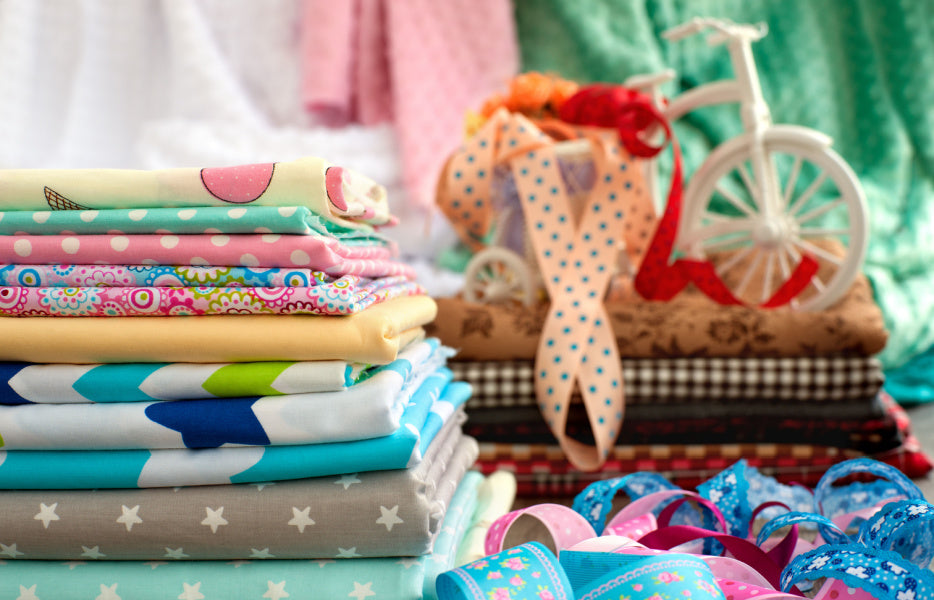
Stripes,spots,hearts & stars
Knitting & Crochet
plain basic fabrics

Event drapery Fabric
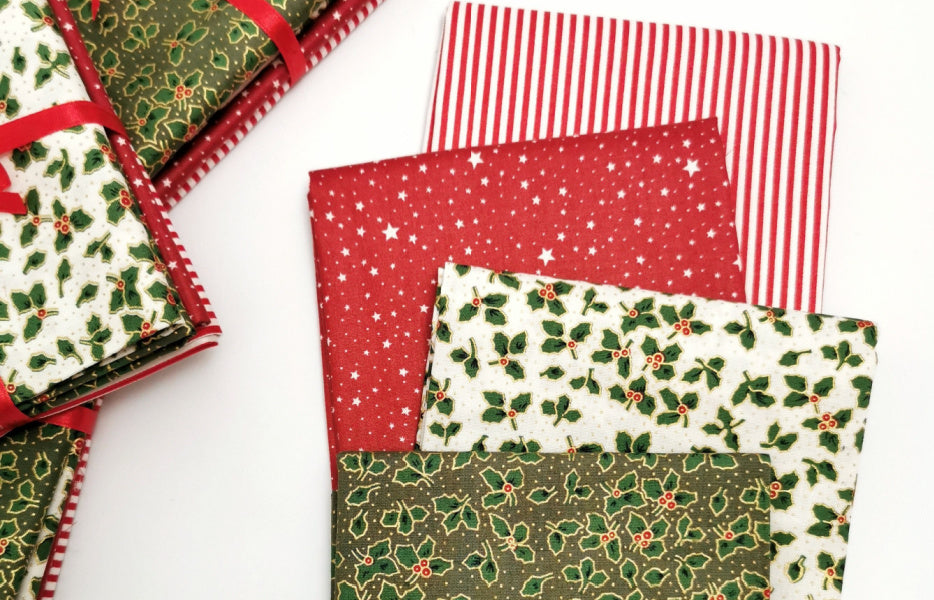
Christmas Fabrics
kids corner Crafts
TAKE 5% OFF YOUR ORDER BY SUBSCRIBING TO OUR NEWSLETTER
Explore our range of satin dressmaking fabrics, perfect for creating garments with a smooth finish and elegant sheen. Whether you’re designing occasionwear or more refined everyday pieces, this collection offers versatile satin dress fabric options suitable for a wide variety of projects. If you’re looking for more general-purpose materials, you can also explore our wider satin fabric range for crafts, accessories, and decorative use.
Our satin dressmaking fabric range is available in a variety of colours, prints, and finishes, making it easy to find the perfect option for your design. If you’re exploring alternatives, you may also want to browse our chiffon dress fabric, silk fabric, and crepe dress fabric collections, which are also popular choices for garment making.
All of our satin dress fabric is available by the metre, giving you the flexibility to order exactly what you need.
Satin is a popular dressmaking material known for its smooth surface and light-reflecting finish. It is often used for garments that require a more polished and elegant appearance.
Key benefits of satin dressmaking fabric include:
Smooth texture with a soft feel
Subtle sheen that enhances colour
Ideal for occasionwear and formal garments
Available in a range of weights and finishes
This makes satin dress fabric a great choice for garments that require both elegance and visual impact.
At Cheap Fabrics, we offer a wide range of satin dressmaking fabric at competitive prices, with options to suit different budgets while maintaining consistent quality.
Our collection includes a variety of options such as plain satin, stretch satin, and printed designs, giving you flexibility across different styles and projects. All fabrics are sold by the metre, so you can order the exact amount needed for your design.
With consistent quality, a wide selection, and fast UK delivery, we make it easy to source satin dress fabric for dressmaking projects of all sizes.
Satin is a weave structure rather than a single material, which is why it comes in several distinct varieties. Duchess satin is the heaviest and most structured option, with a crisp body and subtle sheen that suits fitted wedding gowns and formal bodices. Crepe-back satin is reversible, offering a shiny face on one side and a textured matte crepe surface on the other, making it a versatile choice for dresses where the reverse might be visible. Charmeuse is very lightweight and fluid, ideal for slip dresses and bias-cut styles. Lightweight or silky polyester satin sits between these in weight and is widely used for linings, blouses, and daywear. Stretch satin contains elastane and works well for fitted, body-conscious designs.
Both are made using the satin weave, but the fibre content creates very different fabrics. Silk satin is a natural, breathable material that feels cool against the skin, drapes beautifully, and has a softer, more understated sheen. It is the more expensive and more delicate of the two, typically requiring careful hand washing or dry cleaning. Polyester satin is more affordable and considerably more durable, with a higher-gloss finish that can look shinier than silk. It tends to trap more heat and is less breathable, but it is easier to maintain as most polyester satins can be machine washed on a cool, delicate cycle.
A fresh, fine needle is essential for satin because even a slightly blunt needle will snag the surface threads and leave permanent marks. A Microtex or Universal needle in size 60/8 or 70/10 is the right choice. Keep the stitch length short, around 1.5mm to 2mm, which helps seams lie flat and reduces puckering on the slippery surface. A walking foot is helpful for keeping the fabric feeding evenly, and placing tissue paper beneath the fabric prevents it from being pulled down into the machine at the start of a seam.
Satin snags readily because its characteristic shine comes from long, exposed surface threads called floats. These floats sit proud of the weave and catch on rough surfaces, dull needles, and jewellery very easily. To minimise the risk, always use a sharp, new needle and replace it at the start of any satin project. Use fine glass-headed pins or sewing clips in place of standard pins, and pin only within the seam allowance so that any tiny hole is hidden inside the finished garment. Avoid wearing rough-textured clothing or jewellery while handling the fabric.
Most polyester satin can be machine washed, provided you take care with the settings. Use a cool temperature (no more than 30°C), a gentle or delicate cycle, and a mesh laundry bag to reduce friction inside the drum. A mild liquid detergent is preferable to powder, and keeping the spin speed low will help prevent deep-set creases. Silk satin should not be machine washed; hand washing in cool water or professional dry cleaning is the safer option. After washing, lay satin flat or hang to air dry away from direct sunlight rather than tumble drying, which can damage the surface finish.
Turn the garment inside out so that the iron contacts the matte reverse rather than the glossy face, as direct heat on the shiny side can create a dull, permanently scorched patch. Set the iron to a low temperature (the silk or synthetic setting) and place a thin cotton pressing cloth between the iron and the fabric for an extra layer of protection. Use quick, smooth strokes and avoid resting the iron in one spot. A handheld steamer used at a short distance is a gentler alternative for removing light creases and carries less risk of marking the surface.
Yes, satin frays along cut edges because the long floating threads that create its shine unravel readily once cut. Finishing the raw edges as soon as possible after cutting is important to prevent this from getting worse before you reach the seam. An overlocker (serger) gives the neatest finish, but a closely set zigzag stitch on a standard sewing machine works well too. Pinking shears are a quick option for lightweight satins. French seams are another popular choice for finer satin garments as they fully encase the raw edges inside the seam, giving a clean, professional finish with no visible fraying.
By clicking “Accept All Cookies”, you agree to the storing of cookies on your device to enhance site navigation, analyze site usage, and assist in our marketing efforts.


