









Polycotton is versatile and easy to work with, making it a go-to choice for everything from dressmaking and crafts to bedding and light home furnishings. If you’ve ever wondered what polycotton fabric is actually best used for, or whether it’s the right material for your project, this guide is here to help.
Made by blending polyester and cotton fibres, polycotton is designed to combine the softness and breathability of cotton with the strength, durability, and easy-care qualities of polyester. Polycotton is a fabric that performs well across a wide range of uses, especially where frequent washing, durability, and value for money matter.
What This Polycotton Buying Guide Covers
-
Whether polycotton is breathable and suitable for summer or winter
-
How to identify high-quality polycotton when shopping online
-
How polycotton compares to other fabrics like cotton and polyester
-
How to decide if polycotton is the right material for your project
Polyester-cotton suits a wide variety of projects and skill levels, which is why it’s such a popular fabric choice. This guide explains what you need to know in plain terms, so you can choose confidently and avoid costly mistakes.

What Is Polycotton Fabric?
Polycotton is a blended fabric made from cotton and polyester fibres, designed to combine comfort with durability, easy care, and affordability. By bringing these fibres together, it offers a practical alternative to both 100% cotton and fully synthetic fabrics.
Cotton contributes softness and breathability, while polyester adds strength, colour retention, and crease resistance. The result is a balanced fabric that wrinkles less than cotton, feels more comfortable than polyester, and copes well with frequent washing.
Often described as an everyday or utility fabric, polycotton is widely used for dressmaking, crafts, bedding, table linens, and light home furnishings. Its uniform weave and consistent finish make it easy to cut and sew, helping deliver reliable results across a wide range of projects.
Overall, polycotton is a versatile, low-maintenance fabric that performs well without a high price tag, making it a dependable choice for both practical and creative uses.
What Is Polycotton Made From?
Polycotton is made by blending polyester fibres with cotton fibres into a single woven fabric. The exact ratio of these fibres can vary, and this blend is what gives polycotton its distinctive balance of comfort, durability, and ease of care.
Most polyester-cotton fabrics are made using one of several common blend ratios, such as:
-
80% polyester / 20% cotton - very durable, crease-resistant, and budget-friendly
-
65% polyester / 35% cotton - a softer feel with improved breathability
-
90% polyester / 10% cotton - hard-wearing and practical, often used for crafts or frequent-wash items
The higher the cotton content, the softer and more breathable the fabric tends to feel. A higher polyester content usually means increased durability, better colour retention, and less ironing. This is why different polycotton blends are suited to different types of projects.

Types of Polycotton Fabric
Polycotton fabric is available in several different formats, each suited to specific types of projects.
Plain Polycotton Fabric
Plain polycotton is one of the most versatile options available. It comes in a wide range of solid colours and is often used for everyday sewing projects where simplicity and practicality are important.
This type of polycotton is commonly chosen for garments, linings, bedding, table linens, and craft projects. Its smooth, consistent finish makes it easy to cut and sew, and it works well for projects that require frequent washing.
Explore our range of polycotton fabric to find a wide choice of colours suitable for clothing, crafts, and home projects.
Printed Polycotton Fabric
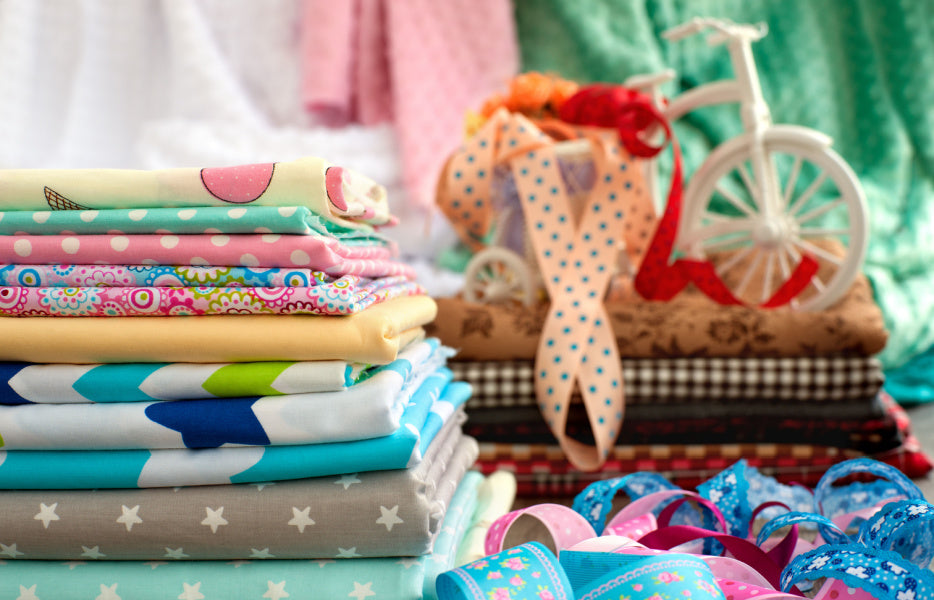
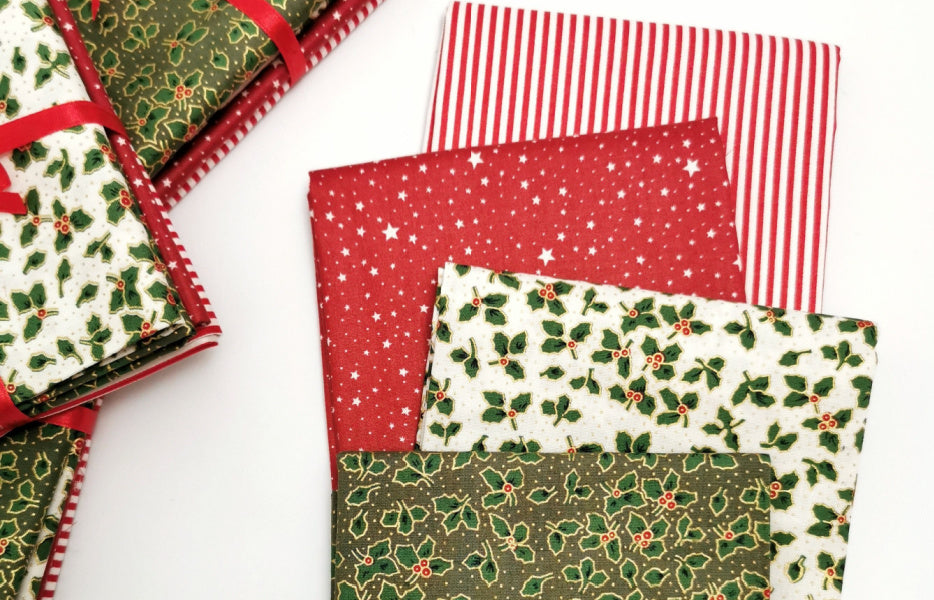
Printed polycotton features decorative patterns, novelty designs, and seasonal prints. These fabrics are especially popular for crafts, children’s projects, bunting, gift bags, quilting, and soft furnishings where visual impact matters.
Because the polyester content helps hold dye well, printed polycotton tends to retain colour and pattern clarity even after repeated washing, making it a practical choice for decorative items that still need to be durable.
Lightweight Polycotton
Lightweight polycotton usually has a higher cotton content, giving it a softer handle and improved breathability. It drapes more easily than standard polycotton and is often used for garments, summer projects, face coverings, and baby items.
This type of polycotton is a good option when comfort is important but you still want the easy-care benefits of a blended fabric.
Heavier or High-Polyester Polycotton Blends
Heavier polyester-cotton or blends with a higher polyester content are designed for durability. These fabrics are more resistant to wear and creasing, making them suitable for projects that need to withstand regular use or washing.
They’re often chosen for crafts, uniforms, budget makes, and practical household items where strength and longevity matter more than drape.

Benefits of Polycotton Fabric
Polycotton is popular for a reason. By combining cotton and polyester fibres, it offers a range of practical benefits that make it suitable for everyday sewing, crafting, and home projects.
1) Durable and Long-Lasting
The polyester content gives polycotton added strength, making it more resistant to wear and tear than many natural fabrics. This durability is especially useful for items that are used frequently or washed often, such as clothing, bedding, and craft projects.
2) Easy to Care For
Polycotton is low-maintenance compared to many other fabrics. It’s generally machine washable, dries quickly, and creases less than 100% cotton, reducing the need for frequent ironing. This makes it a practical choice for busy households and everyday use.
3) Comfortable and Practical
Thanks to its cotton content, polycotton remains comfortable to use and suitable for a wide range of applications. While it isn’t as breathable as pure cotton, it offers a good balance between comfort and performance, particularly for items designed for regular wear or use.
4) Good Colour Retention
Polycotton holds dye well, meaning colours and prints tend to stay vibrant even after repeated washing. This is especially beneficial for printed fabrics, crafts, and decorative projects where appearance matters.
5) Versatile Across Many Projects
One of polycotton’s biggest strengths is its versatility. It can be used for clothing, crafts, bedding, soft furnishings, and light upholstery, making it a flexible option for many different sewing needs.
6) Excellent Value for Money
Compared to many natural or specialist fabrics, polycotton is an affordable option that still delivers reliable performance. This makes it ideal for larger projects, practice sewing, schools, and anyone looking for quality fabric at a budget-friendly price.
Disadvantages of Polycotton (And Fabric Alternatives)
While polycotton is a practical and versatile fabric, it isn’t always the right choice for every project. Understanding its limitations can help you decide whether polycotton meets your needs or if another fabric might be more suitable.
Less Breathable Than 100% Cotton
Because polycotton contains polyester, it doesn’t allow as much airflow as natural fibres alone. This can make it feel warmer in hot or humid conditions, particularly for close-fitting garments or summer clothing.
If breathability is a priority, especially for warm-weather clothing or bedding, 100% cotton fabrics are a better option. Cotton allows heat and moisture to escape more easily, helping keep the body cooler.
Not a Fully Natural Fabric
Polycotton includes synthetic fibres, which means it doesn’t offer the same natural feel or biodegradability as fabrics made entirely from plant-based fibres.
For projects where natural materials are important, cotton or linen fabrics are good alternatives. Linen, in particular, offers excellent breathability and a distinctive natural texture.
Limited Drape for Certain Garments
While polycotton holds its shape well, it can feel slightly firm compared to fabrics designed for fluid movement. This makes it less suitable for garments that rely on a soft drape, such as flowing dresses or blouses.
For better movement and a softer fall, viscose or satin fabrics provide a more fluid drape and a lighter feel.
Not Ideal for Heavy-Duty Upholstery
Although polycotton can work well for cushions, chair covers, and light upholstery projects, it isn’t designed for constant friction or heavy everyday use on large upholstered furniture.
For sofas or heavily used seating, specialist upholstery fabrics or heavier woven materials offer greater abrasion resistance and longevity.
Environmental Considerations
The polyester content in polycotton means it isn’t biodegradable and has a higher environmental impact than purely natural fabrics, particularly if sustainability is a key concern.
Choosing natural fabrics such as cotton or linen can be a better option for those prioritising environmentally conscious materials.
Polycotton remains an excellent all-round fabric, but knowing when to choose an alternative helps ensure the finished project looks good, feels comfortable, and performs as expected.

Is Polycotton Breathable?
Polycotton offers moderate breathability, sitting somewhere between 100% cotton and fully synthetic fabrics like polyester. Because it contains cotton fibres, air can still circulate through the fabric, helping with comfort during everyday use. However, the polyester content does reduce airflow compared to natural fibres alone.
How breathable polycotton feels often depends on the blend ratio and fabric weight. Polycotton fabrics with a higher cotton content tend to feel cooler and more breathable, while blends with a higher polyester percentage are better at retaining heat and resisting moisture absorption.
In practical terms, polycotton works well for items that need a balance between comfort and durability. It’s commonly used for clothing, bedding, and crafts where breathability is helpful but not the sole priority. For loose-fitting garments or layered clothing, polycotton can feel comfortable in a wide range of conditions.
If maximum breathability is essential - such as for very warm weather clothing or items worn close to the skin - 100% cotton or linen fabrics are usually better choices. However, for everyday projects that need to be easy to care for and long-lasting, polycotton provides a reliable middle ground.
Is Polycotton Good for Summer?
Polycotton can be suitable for summer projects when the right type is chosen. While it isn’t as breathable as 100% cotton or linen due to its polyester content, lightweight polycotton with a higher cotton percentage can still feel comfortable in warm weather.
For summer clothing, polycotton works best in looser-fitting garments such as dresses, shirts, and casual tops, where airflow is less restricted. Its quick-drying and crease-resistant properties also make it practical for everyday wear.
Polycotton is also well suited to summer crafts and home projects like table linens, bunting, and decorative items, where durability and colour retention matter more than breathability.
In very hot or humid conditions, or for close-fitting garments, natural fabrics like cotton or linen are usually the better choice. Polycotton is most effective in summer when practicality and easy care are prioritised alongside comfort.
Is Polycotton Good for Winter?
Polycotton is well suited to winter and cooler-weather projects. Its polyester content helps it retain warmth better than 100% cotton, making it a practical option for everyday use during colder months.
For clothing, polycotton works well for layering pieces, uniforms, and garments that are worn frequently and need regular washing. It holds its shape under layers and creases less, which makes it convenient for winter wardrobes.
Polycotton is also commonly used for winter bedding and soft furnishings such as duvet covers, pillowcases, and cushion covers, offering a good balance of warmth, durability, and easy care.
While it doesn’t insulate like heavier fabrics such as wool or fleece, polycotton performs reliably as a low-maintenance, everyday fabric when warmth and practicality are the main priorities.
Is Polycotton Good for Beginners?
Polycotton is often recommended as a beginner-friendly fabric because it’s easy to handle and behaves predictably during sewing. Its stable weave makes it less likely to shift or stretch, which helps reduce common frustrations when learning to sew.
When cutting patterns, polycotton holds its shape well and is easy to mark, making it simpler to follow instructions accurately. It also presses neatly, allowing seams and hems to sit flat without much effort. This can make a noticeable difference when learning basic construction techniques.
Another advantage for beginners is affordability. Polycotton is generally more budget-friendly than many natural or specialist fabrics, making it ideal for practice projects or first attempts where mistakes are part of the learning process. If something goes wrong, the fabric can usually be unpicked and adjusted without damage.
Because polycotton is widely available in plain colours and prints, it’s suitable for a variety of simple projects such as pillowcases, tote bags, aprons, and straightforward garments. Its forgiving nature and versatility make it a sensible starting point before moving on to more delicate or challenging fabrics.

What Can You Make With Polycotton?
Polycotton’s versatility makes it suitable for a wide range of sewing and craft projects. Its balance of comfort, durability, and ease of care means it works well for both practical and decorative items.
Clothing
Polycotton is commonly used for everyday garments that need to be comfortable and hard-wearing. This includes dresses, shirts, skirts, pyjamas, uniforms, and costumes. It’s particularly useful for items that are worn regularly and washed often, as it holds its shape and colour well over time.
Home & Soft Furnishings
For home projects, polycotton is a popular choice for bedding, pillowcases, duvet covers, cushion covers, and table linens. It’s easy to care for, dries quickly, and copes well with frequent washing, making it practical for everyday household use.
Crafts & Decorative Projects
Printed polycotton is especially well suited to craft projects and decorations. Bunting, gift bags, fabric decorations, quilting projects, and seasonal items all benefit from polycotton’s durability and colour retention. Its stable weave also makes it easy to cut precise shapes.
Upholstery & Furnishings
Polycotton can be used for light upholstery projects, such as cushion covers, chair covers, and decorative seating. It’s a practical option where appearance and easy care matter more than heavy-duty wear. For frequently used furniture like sofas, a dedicated upholstery fabric is usually more suitable.
Practical & Everyday Uses
Polycotton is also commonly used for linings, school projects, face coverings, and budget-friendly makes. Its affordability and reliability make it a sensible option for projects where practicality is the main focus.
How to Care for Polycotton Fabric
One of the main reasons polycotton is so popular is that it’s easy to care for. The polyester content helps reduce issues like shrinking and creasing, while the cotton fibres keep it comfortable and practical for everyday use.
Washing Polycotton
Polycotton can usually be machine washed without any issues. A cool to warm wash is generally recommended to help preserve colour and prevent unnecessary wear. Using a mild detergent is a good idea, especially for printed fabrics or lighter colours.
Pre-washing polycotton before sewing is recommended, particularly for garments or home projects, as it helps remove any finishes applied during manufacturing and reduces the risk of minor shrinkage later on.
Drying
Polycotton dries relatively quickly compared to many natural fabrics. It can usually be tumble dried on a low heat setting, although air drying is even gentler and helps extend the life of the fabric. Avoid high heat, as this can weaken fibres over time.
Ironing
Thanks to its crease-resistant nature, polycotton typically requires less ironing than 100% cotton. When ironing is needed, a medium heat setting is usually sufficient. Using steam can help smooth seams and hems, but excessive heat should be avoided, particularly on printed fabrics.
Colour & Long-Term Care
Polycotton generally holds colour well, even after repeated washing. Turning items inside out before washing and avoiding harsh detergents can help maintain vibrancy for longer. For storage, keep fabric in a cool, dry place away from direct sunlight to prevent fading.
With simple, consistent care, polycotton fabrics remain durable, comfortable, and visually appealing over time, making them ideal for projects designed for regular use.

How to Identify Premium Polycotton Fabric When Shopping Online
When buying polycotton fabric online, quality can vary depending on the blend, weave, and finish. Paying attention to a few key details can help you choose a fabric that will perform well once sewn and washed.
Start by checking the fibre blend. Good-quality polycotton will clearly state the cotton and polyester percentages. Higher cotton blends usually feel softer and more breathable, while higher polyester blends offer extra durability and crease resistance.
Next, look for information on fabric width and weight. Clear measurements help you understand how the fabric will drape and what types of projects it’s best suited for. Reliable listings tend to include consistent sizing and usage guidance.
Product descriptions should be clear and detailed, outlining recommended uses and care instructions. This level of detail often reflects better overall fabric quality. Colour and print clarity also matter - premium polycotton typically shows even colouring and crisp patterns that hold up well over time.
If you’re unsure, ordering a fabric sample is the best way to assess texture, weight, and colour before buying larger quantities. Choosing an established retailer with clear product information and customer support can also provide added reassurance.
Polycotton vs Other Fabrics
When choosing fabric for a project, polycotton is often compared with cotton and polyester. Understanding how it differs from these materials can help you decide which option is best for your needs.
Polycotton vs 100% Cotton
Cotton is a natural fibre known for being soft, breathable, and absorbent, which makes it a great choice for warm-weather garments and items worn close to the skin. It washes well and retains colour, but it can shrink in the wash, crease easily, and tends to wear out faster over time.
Polycotton blends cotton with polyester to create a low-maintenance alternative that combines the best of both fibres. The polyester adds strength, shape retention, and resistance to creasing, while the cotton component contributes softness. Compared with cotton, polycotton holds its shape better after washing, resists wrinkles, and is generally more durable, making it a practical option for everyday items that are washed regularly - even though it isn’t quite as breathable as 100% cotton.
For more information on how polycotton and cotton compare, read the linked article.
Polycotton vs Polyester
Polyester is extremely durable, crease-resistant, and quick-drying, but it lacks the comfort and breathability of natural fibres. It can feel less pleasant against the skin, particularly in warm conditions.
Polycotton improves on this by adding cotton into the blend, making it more comfortable and versatile than polyester alone, while still retaining many of polyester’s practical benefits.
Is Polycotton the Right Material for You?
Polycotton is a strong choice for many everyday sewing and craft projects, particularly where durability, ease of care, and value for money are important. Its blend of cotton and polyester makes it reliable, versatile, and suitable for frequent use, which is why it’s commonly chosen for clothing, crafts, bedding, and light home furnishings.
Polycotton works especially well if you’re looking for a fabric that’s easy to sew, holds its shape, and doesn’t require high-maintenance care. It’s ideal for projects that will be washed regularly, used often, or made on a budget without compromising on practicality.
However, polycotton isn’t always the best option. If breathability, natural fibres, or fluid drape are your top priorities, alternatives such as cotton, linen, or viscose may be better suited to your project. For heavy-use upholstery, specialist upholstery fabrics are usually the more durable choice.
By understanding how polycotton performs and where it works best, you can make a confident decision that suits both your project and your expectations. If you’re unsure, exploring alternative fabrics or ordering samples can help you compare options before committing.


