

UK STANDARD DELIVERY | LIGHTWEIGHT ONLY £1.95 | FLAT RATE £2.95 | NEXT DAY DELIVERY FROM £7.99 - 1.30PM DEADLINE | NO WEEKEND DELIVERY
UK STANDARD DELIVERY | LIGHTWEIGHT ONLY £1.95 | FLAT RATE £2.95 | NEXT DAY DELIVERY FROM £7.99 - 1.30PM DEADLINE | NO WEEKEND DELIVERY
TAKE 5% OFF YOUR ORDER BY SUBSCRIBING TO OUR NEWSLETTER
Haberdashery
 from
£0.15
from
£0.15
Add colour and vitality to your wardrobe with the various colours available.
TAKE 5% OFF YOUR ORDER BY SUBSCRIBING TO OUR NEWSLETTER
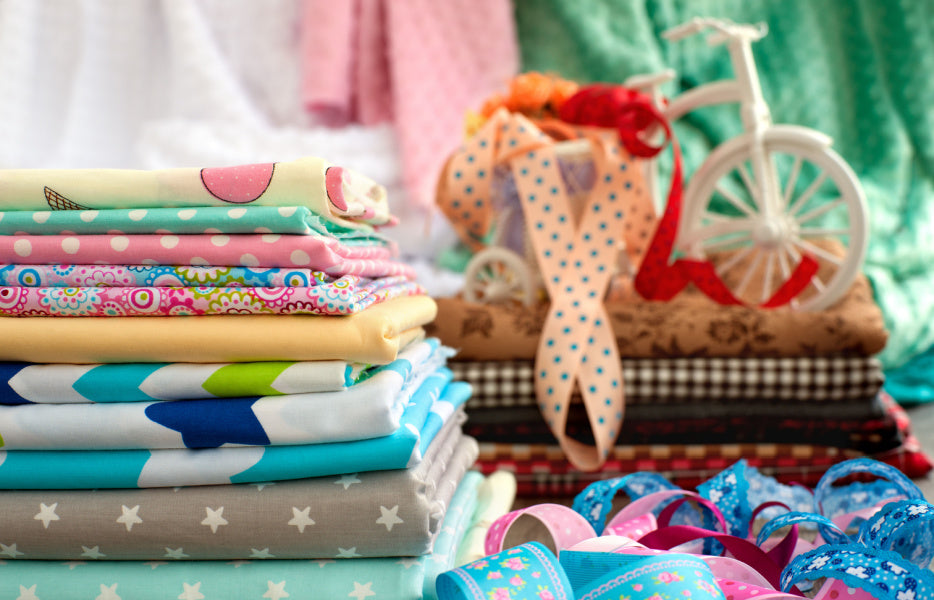
Stripes,spots,hearts & stars
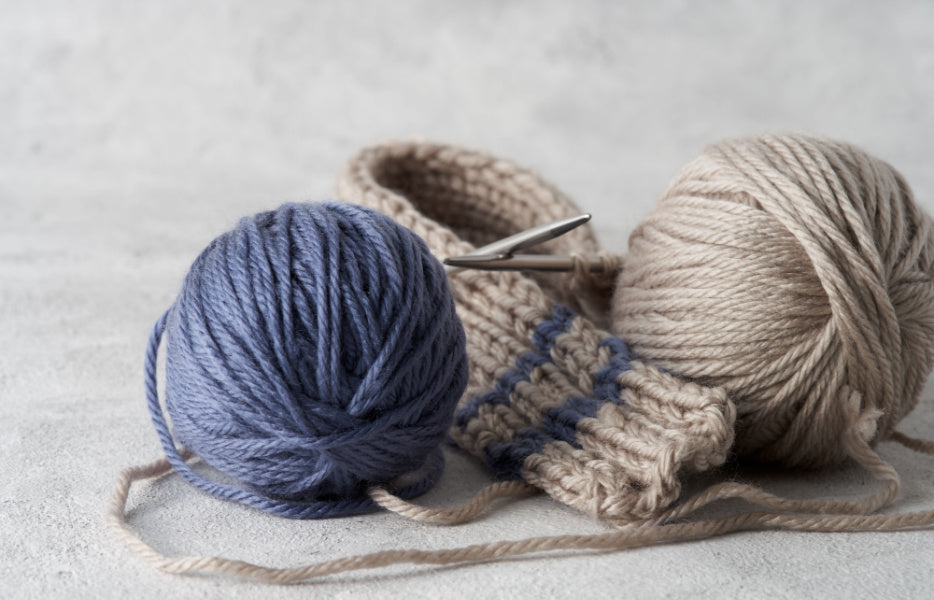
Knitting & Crochet
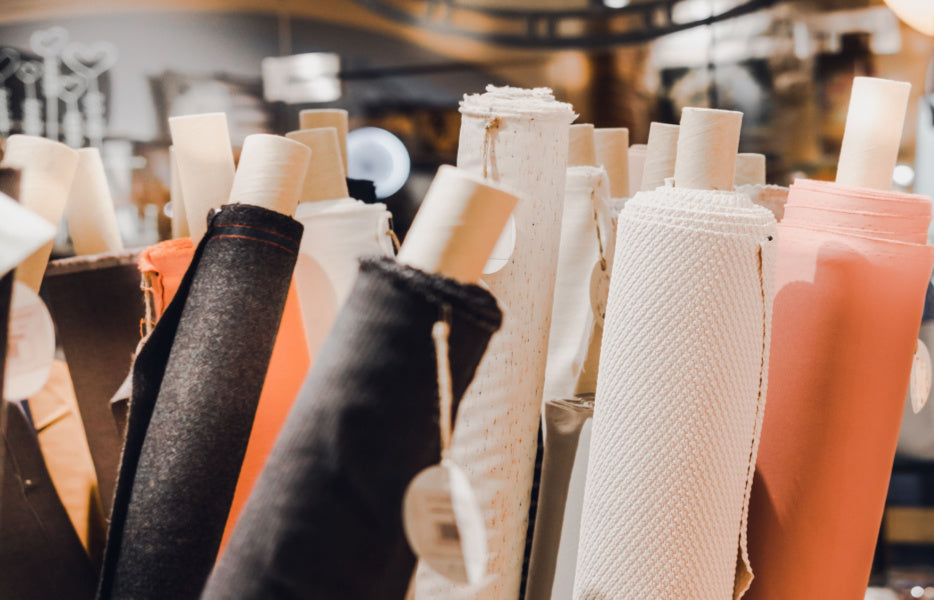
plain basic fabrics

Event drapery Fabric
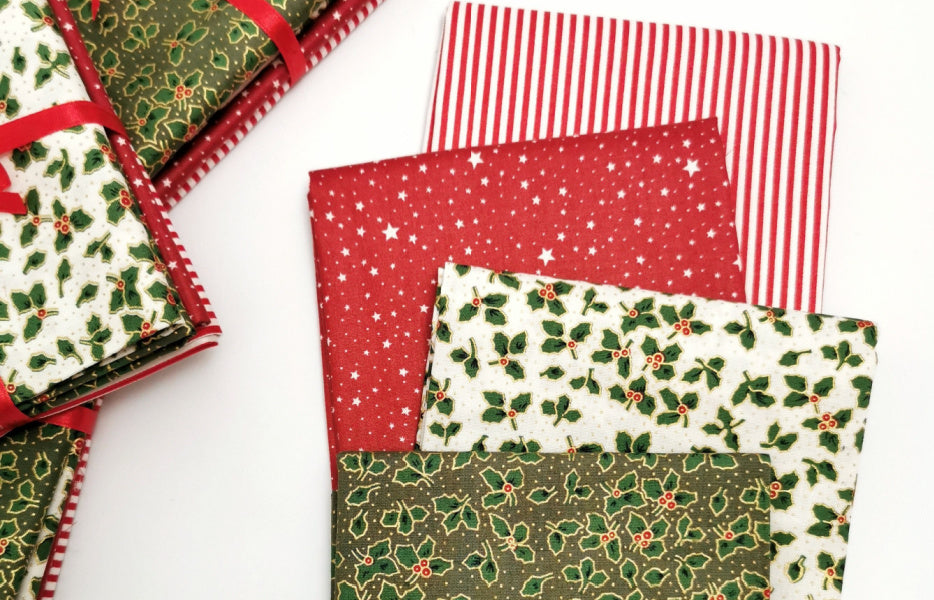
Christmas Fabrics

kids corner Crafts
TAKE 5% OFF YOUR ORDER BY SUBSCRIBING TO OUR NEWSLETTER
Explore our range of crepe dressmaking fabrics, ideal for creating garments with elegant drape and a refined finish. Whether you’re designing everyday pieces or occasionwear, this collection offers versatile crepe dress fabric options suitable for a wide range of projects. If you’re looking for more general-purpose materials, you can also explore our wider crepe fabric range for garments, crafts, and multi-use applications.
Our crepe dressmaking fabric range is available in a variety of colours, prints, and finishes, making it easy to find the perfect option for your design. If you’re exploring alternatives, you may also want to browse our viscose dress fabric, satin dress fabric, and chiffon dress fabric collections, which are also popular choices for garment making.
All of our crepe dress fabric is available by the metre, giving you the flexibility to order exactly what you need.
Crepe is a popular dressmaking material known for its distinctive texture and fluid drape. It works well for garments that require movement while still maintaining a soft structure.
Key benefits of crepe dressmaking fabric include:
Beautiful drape and natural movement
Subtle textured finish
Suitable for both casual and formal garments
Available in a wide range of weights and styles
This makes crepe dress fabric a reliable choice for everything from everyday wear to more elegant designs.
At Cheap Fabrics, we offer a wide range of crepe dressmaking fabric at competitive prices, with options to suit different budgets while maintaining consistent quality.
Our collection includes a variety of options such as plain crepe, printed designs, and stretch crepe, giving you flexibility across different styles and projects. All fabrics are sold by the metre, so you can order the exact amount needed for your design.
With consistent quality, a wide selection, and fast UK delivery, we make it easy to source crepe dress fabric for dressmaking projects of all sizes.
Crepe is a texture category rather than a single fabric, so it covers a wide range of weights and finishes. Crepe de Chine is the lightest option, with a fluid, slightly matte drape well suited to floaty dresses and blouses. Moroccan crepe (also called crepe marocain) is heavier and has a more pronounced ribbed texture, making it a reliable choice for structured dress styles. Georgette is sheer and has a slightly bouncy quality, often used for layered styles and occasion wear. Crepe-back satin is reversible, with a smooth satin face on one side and a matte crepe texture on the other. Stretch and scuba crepe contain elastane and suit fitted dresses and tailored styles where some give is needed.
Yes, pre-washing is highly recommended, particularly for crepe containing natural fibres such as silk, viscose, or wool, which can shrink noticeably after the first wash. Even polyester crepe can be affected by high heat. Pre-washing the fabric before you cut brings it to its stable, post-wash size and prevents the garment from puckering or pulling once it is finished.
It depends on the weight. Lightweight crepe de Chine is slippery and tends to shift during both cutting and sewing, which makes it better suited to those with some experience. Medium-weight and polyester crepes are considerably more stable and are manageable for confident beginners. Heavier options like Moroccan crepe and wool crepe behave much more like structured woven fabrics and are actually among the easier dressmaking fabrics to handle once cut. Choosing a slightly heavier crepe for a first project makes the whole process much more straightforward.
Cutting crepe one layer at a time rather than on a fold gives the most accurate result, as two layers of slippery fabric will move against each other. Pattern weights hold the pieces in place more reliably than pins, which can leave marks or pull the edge out of shape. A rotary cutter on a cutting mat produces a cleaner line than scissors, and placing a sheet of tissue paper under the fabric helps prevent it from sliding on the cutting surface.
A fine sharp or universal needle in size 70/10 or 75/11 works well for most crepe fabrics. For lightweight or sheer crepes, a slightly longer stitch length of around 2.5mm helps prevent the seam from puckering. Stay-stitching curved sections such as necklines and armholes before construction prevents them from stretching as you work. A French seam gives the neatest finish on finer crepes as it encloses the raw edges completely without adding bulk.
Crepe does fray, with lighter and more loosely woven types being the most prone. Raw edges should be finished promptly after cutting, before handling or washing the fabric. An overlocker gives the most secure finish, but a zigzag stitch on a standard machine works well too. Because the fabric can be slippery, finishing edges while the pieces are still large and easy to handle makes the process much easier than trying to neaten small cut pieces later.
A cool gentle machine wash or hand wash with a mild detergent is suitable for most polyester crepes. Natural fibre crepes such as silk or wool are better hand washed or dry cleaned, depending on the care label. Avoid wringing or twisting the fabric as this can distort the texture. Lay the garment flat or hang it to dry rather than using a tumble dryer. If pressing is needed, use a cool iron with a press cloth over the fabric, as direct high heat can flatten and permanently damage the surface texture that gives crepe its character.
By clicking “Accept All Cookies”, you agree to the storing of cookies on your device to enhance site navigation, analyze site usage, and assist in our marketing efforts.


