

UK STANDARD DELIVERY | LIGHTWEIGHT ONLY £1.95 | FLAT RATE £2.95 | NEXT DAY DELIVERY FROM £7.99 - 1.30PM DEADLINE | NO WEEKEND DELIVERY
UK STANDARD DELIVERY | LIGHTWEIGHT ONLY £1.95 | FLAT RATE £2.95 | NEXT DAY DELIVERY FROM £7.99 - 1.30PM DEADLINE | NO WEEKEND DELIVERY
TAKE 5% OFF YOUR ORDER BY SUBSCRIBING TO OUR NEWSLETTER
Haberdashery
 from
£0.15
from
£0.15
Add colour and vitality to your wardrobe with the various colours available.
TAKE 5% OFF YOUR ORDER BY SUBSCRIBING TO OUR NEWSLETTER

Stripes,spots,hearts & stars
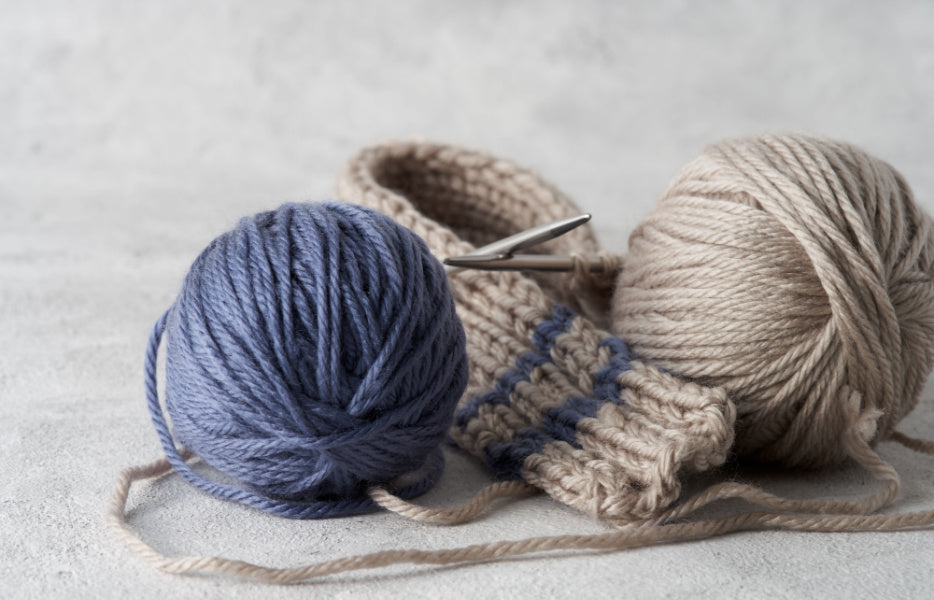
Knitting & Crochet
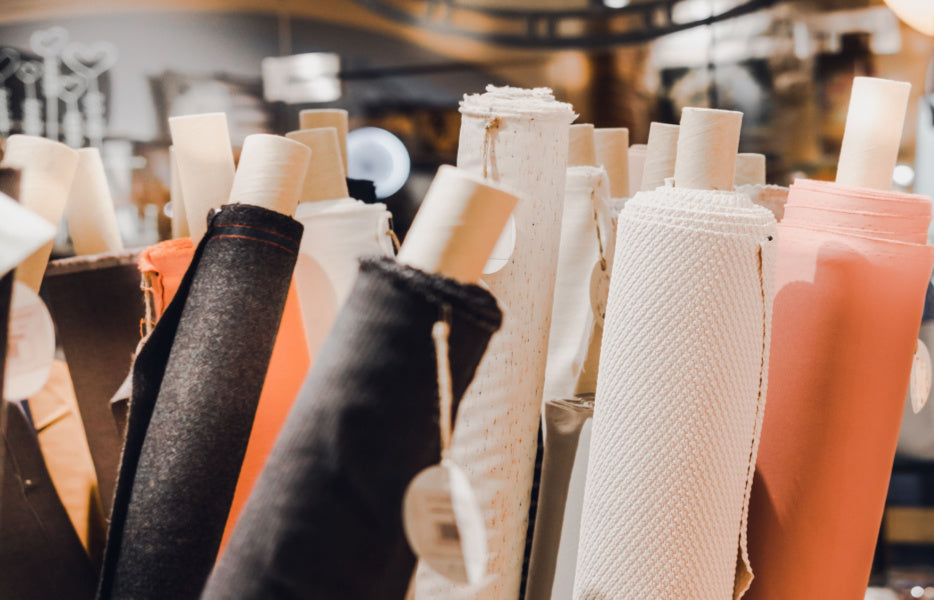
plain basic fabrics

Event drapery Fabric
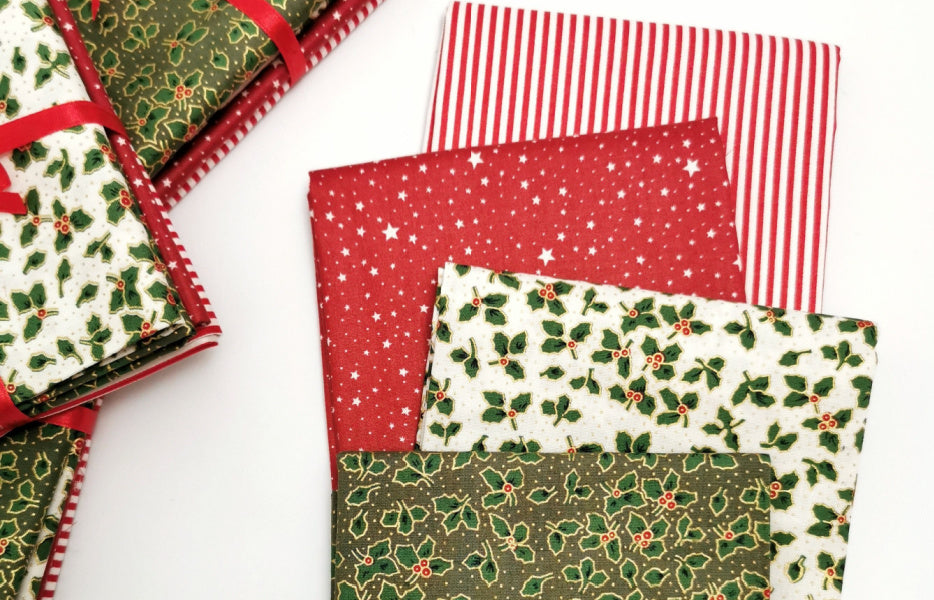
Christmas Fabrics

kids corner Crafts
TAKE 5% OFF YOUR ORDER BY SUBSCRIBING TO OUR NEWSLETTER
Explore our range of lace dressmaking fabrics, perfect for creating elegant garments with texture, detail, and a refined finish. Whether you’re designing occasionwear or adding decorative elements to a dress, this collection offers versatile lace dress fabric options for a wide variety of projects. If you’re looking for more general-purpose materials, you can also explore our wider lace fabric range for crafts, accessories, and decorative use.
Our lace dressmaking fabric range is available in a variety of colours, patterns, and finishes, making it easy to find the right option for your design. If you’re exploring alternatives, you may also want to browse our chiffon dress fabric and satin dress fabric collections, which are also popular choices for garment making.
All of our lace dress fabric is available by the metre, giving you the flexibility to order exactly what you need.
Lace is a popular dressmaking material known for its decorative detail and elegant appearance. Whether used as a main fabric or as an overlay, lace dress fabric adds texture and visual interest to garments.
Key benefits of lace dressmaking fabric include:
Intricate patterns and decorative finishes
Lightweight and suitable for layering
Ideal for occasionwear and special garments
Available in a wide range of designs and styles
This makes lace dress fabric a great choice for creating garments that stand out.
At Cheap Fabrics, we offer a wide range of lace dressmaking fabric at competitive prices, with options to suit different budgets while maintaining consistent quality.
Our collection includes a variety of options such as floral lace, embroidered lace, and stretch lace, giving you flexibility across different styles and projects. All fabrics are sold by the metre, so you can order the exact amount needed for your design.
With consistent quality, a wide selection, and fast UK delivery, we make it easy to source lace dress fabric for dressmaking projects of all sizes.
The main types you will find for dressmaking are corded lace, which has a raised outline around the pattern and a structured feel; Chantilly lace, which is light and sheer with a fine net background, often used for bridal overlays and sleeves; Guipure lace, which is heavier and more textured with the motifs connected directly rather than sitting on a net, giving it a bolder look; stretch lace, which contains elastane and works well for fitted or figure-skimming styles; and eyelet lace, which is lighter and more casual with an embroidered open-work pattern. Each type suits different dress styles, so it is worth thinking about the shape and occasion before choosing.
In most cases, yes. Lace is an open-weave fabric, which means raw seams and seam allowances are visible through it from the outside unless the garment is lined. A lining also provides coverage where the lace itself is sheer, prevents the fabric from snagging on tights or undergarments, and makes the finished dress far more comfortable to wear. The exception is when lace is being used as a decorative overlay on top of another fabric rather than as the primary material.
A fine sharp or Microtex needle in size 60/8 or 70/10 is the right choice for most lace fabrics. The fine point passes cleanly through the open weave without snagging the threads or distorting the pattern. For stretch lace that contains elastane, switch to a stretch needle so the stitches retain flexibility and the fabric is not damaged during sewing.
Lace is best cut using fabric weights rather than pins to hold your pattern pieces in place, as pins can pull and distort the delicate mesh. A rotary cutter gives a cleaner, more precise result than scissors, particularly on finer laces. Where possible, cut around the outer edge of a motif rather than through the middle of the pattern, as this creates a naturally finished edge and makes the cut line far less visible on the finished garment.
Lace does not fray in the same way as woven fabrics, but raw edges on lighter or more open styles can come loose over time if left unfinished. The most secure way to finish seams on a lace garment is with French seams, which enclose all raw edges completely and give a clean result that is neat on both sides. An overlocker works well too. Because lace seam allowances are often visible from the right side due to the sheer nature of the fabric, the finish you choose matters more than it would on an opaque material.
Lace requires a little more patience than everyday fabrics, but it is very achievable with the right preparation. The main challenges are its tendency to shift when cutting, the need to match pattern motifs across seams on large-scale lace, and the fact that seam allowances show through the fabric. Taking time to pin or weight pieces carefully, sewing slowly, and using a fine needle and matching thread will make a significant difference to the result. Heavier options such as Guipure lace are generally easier to handle than fine Chantilly.
Most lace garments benefit from a gentle hand wash in cool water with a mild detergent, or a delicate machine cycle if the care label allows. Avoid wringing or twisting the fabric, which can distort the lace. Lay the garment flat or hang it to dry rather than using a tumble dryer. If pressing is needed, place a clean cloth over the lace and use a low heat setting so the iron never touches the fabric directly, as direct heat can flatten or melt the fibres.
By clicking “Accept All Cookies”, you agree to the storing of cookies on your device to enhance site navigation, analyze site usage, and assist in our marketing efforts.


