

UK STANDARD DELIVERY | LIGHTWEIGHT ONLY £1.95 | FLAT RATE £2.95 | NEXT DAY DELIVERY FROM £7.99 - 1.30PM DEADLINE | NO WEEKEND DELIVERY
UK STANDARD DELIVERY | LIGHTWEIGHT ONLY £1.95 | FLAT RATE £2.95 | NEXT DAY DELIVERY FROM £7.99 - 1.30PM DEADLINE | NO WEEKEND DELIVERY
TAKE 5% OFF YOUR ORDER BY SUBSCRIBING TO OUR NEWSLETTER
Haberdashery
 from
£0.15
from
£0.15
Add colour and vitality to your wardrobe with the various colours available.
TAKE 5% OFF YOUR ORDER BY SUBSCRIBING TO OUR NEWSLETTER
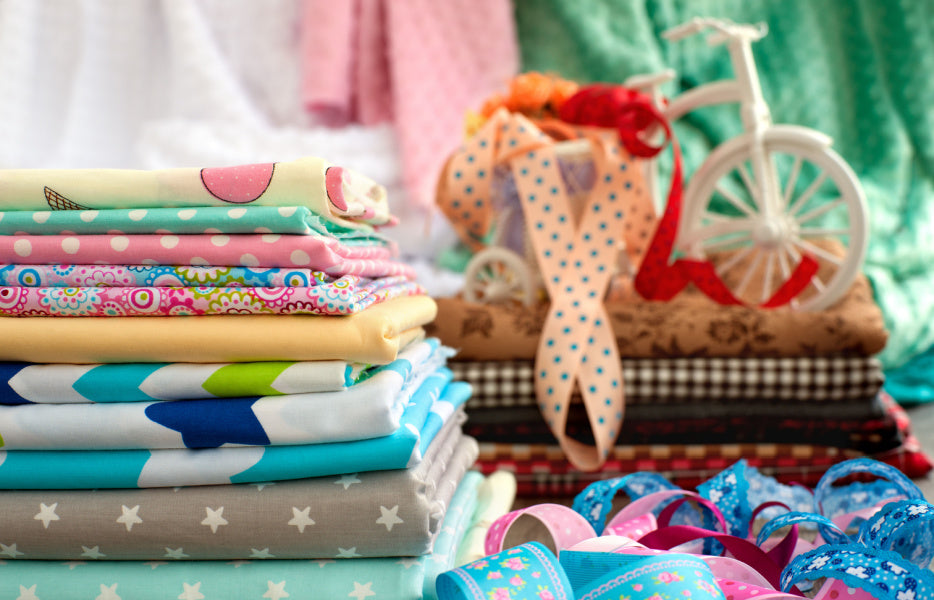
Stripes,spots,hearts & stars
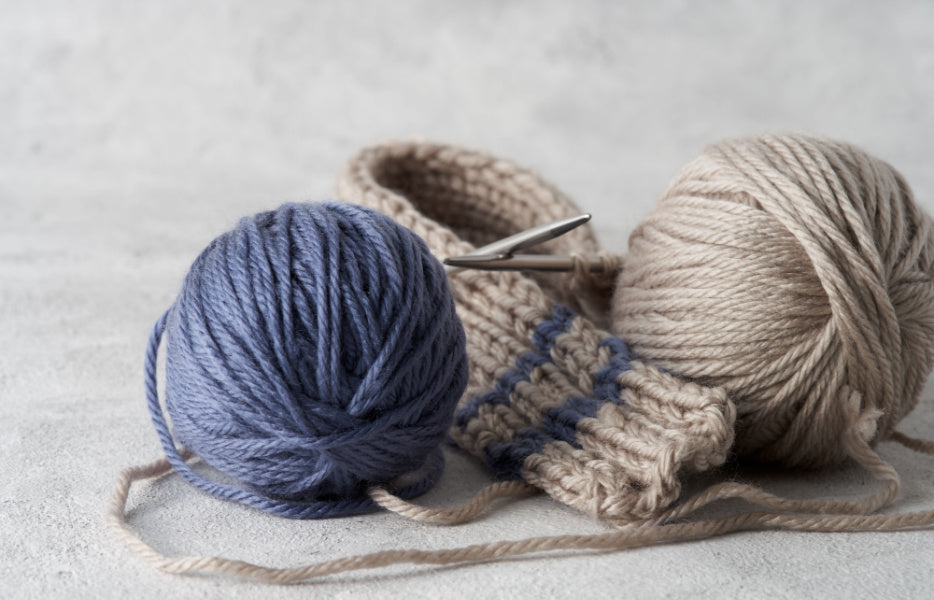
Knitting & Crochet
plain basic fabrics

Event drapery Fabric
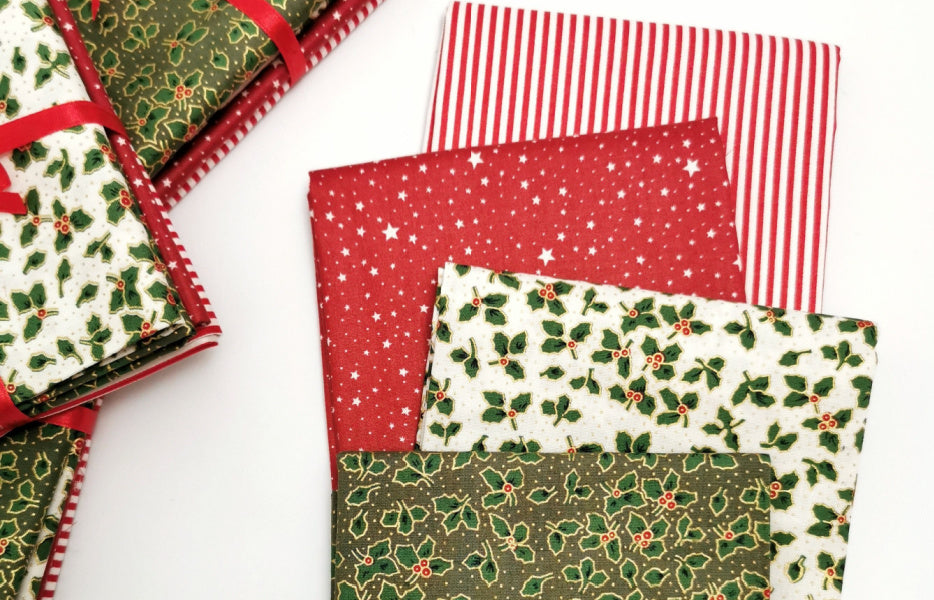
Christmas Fabrics
kids corner Crafts
TAKE 5% OFF YOUR ORDER BY SUBSCRIBING TO OUR NEWSLETTER
Explore our range of corduroy dressmaking fabrics, ideal for creating garments with texture, structure, and everyday style. Whether you’re designing casual dresses or more structured pieces, this collection offers versatile corduroy dress fabric options suitable for a wide range of projects. If you’re looking for more general-purpose materials, you can also explore our wider corduroy fabric range for crafts, upholstery, and multi-use applications.
Our corduroy dressmaking fabric range is available in a variety of colours, weights, and wale sizes, making it easy to find the right option for your design. If you’re exploring alternatives, you may also want to browse our denim dress fabric, cotton dress fabric, and velvet dress fabric collections, which are also popular choices for garment making.
All of our corduroy dress fabric is available by the metre, giving you the flexibility to order exactly what you need.
Corduroy is a popular dressmaking material known for its distinctive ribbed texture and durable structure. It is ideal for garments that require both warmth and a more defined shape.
Key benefits of corduroy dressmaking fabric include:
Soft ribbed texture for added visual interest
Durable and long-lasting
Suitable for structured and casual garments
Ideal for cooler seasons and layered clothing
This makes corduroy dress fabric a great choice for creating garments that combine comfort, texture, and practicality.
At Cheap Fabrics, we offer a wide range of corduroy dressmaking fabric at competitive prices, with options to suit different budgets while maintaining consistent quality.
Our collection includes a variety of options such as fine wale corduroy, wider wale styles, and different colour choices, giving you flexibility across different designs and projects. All fabrics are sold by the metre, so you can order the exact amount needed for your design.
With consistent quality, a wide selection, and fast UK delivery, we make it easy to source corduroy dress fabric for dressmaking projects of all sizes.
The "wale" refers to the raised ridges that run along corduroy fabric, and the wale count is the number of those ridges per inch. A lower number means wider, chunkier ribs, while a higher number means finer, more closely spaced ones. For dressmaking, fine wale or needlecord (14 to 21 wales per inch) and baby cord (21 to 25 wales per inch) are the most suitable, as they are lighter in weight, softer to the touch, and drape well enough for skirts, pinafores, and relaxed dresses. Standard wale cord (8 to 13 per inch) works for more structured dress styles. Jumbo cord with very wide ribs is generally better suited to outerwear and dungarees than to dresses, as it can feel heavy and stiff in a dress silhouette.
Corduroy has a directional pile, commonly called the nap, which is the direction in which the surface fibres sit. Run your hand along the ribs in one direction and the fabric feels smooth; run it the other way and it feels slightly rougher. Because of this, the fabric reflects light differently depending on the direction the pile is facing, meaning two pieces cut in opposite directions will look noticeably different shades when sewn together. To avoid this, every pattern piece must be cut with the pile running in the same direction throughout the garment. Most dressmakers choose to have the pile running upwards (towards the neckline) for a deeper, richer colour, though running it downwards is equally valid and slightly more durable.
Yes, corduroy made from cotton can shrink considerably, particularly along the length of the fabric, and pre-washing before cutting is strongly recommended. If you skip this step, the finished garment may come out noticeably smaller after its first wash. Use the same washing and drying method that you plan to use for the completed garment, so that all the shrinkage happens in the fabric rather than in the sewn piece. Pre-washing also has the benefit of softening the fabric slightly, making it more pleasant to wear, and removing any surface sizing or finish applied during manufacturing.
Corduroy is a denser and heavier fabric than most dress materials, so a standard fine needle will struggle, particularly on thicker wale versions. A Sharp or Jeans needle in size 90/14 or 100/16 works well for most dress-weight corduroy; heavier cord may need a 110/18. Set the stitch length slightly longer than you would for a woven cotton, around 2.8mm to 3mm, to avoid over-perforating the fabric along the seam line. A walking foot helps feed the thick material evenly through the machine, and reducing the presser foot pressure where possible will prevent the pile from being crushed as you sew.
Direct pressure from an iron on the right side of corduroy will crush the pile and leave shiny, permanently flattened patches that cannot be restored. Always press on the wrong side of the fabric, using a low to medium heat setting. Placing a piece of spare corduroy or a thick towel beneath the seam allowance provides a cushion for the pile on the right side while you press from the back. A handheld steamer used from a short distance is the gentler option for refreshing the surface after sewing or to lift the pile if any flattening occurs during the making process.
Yes, corduroy frays at cut edges, and finishing the raw edges is important for the durability of the finished garment. An overlocker (serger) is the most efficient method, particularly given the thickness of heavier cord. On a standard sewing machine, a closely set zigzag stitch near the raw edge works well. Pinking shears can be used as a quick option on finer needlecord, though they are less effective on heavier wale cords. Because corduroy can create a lot of fluff and lint, cleaning your machine's feed dogs and bobbin area regularly during and after a corduroy project helps keep everything running smoothly.
Machine wash on a gentle, cool cycle (30°C) with the garment turned inside out, which protects the raised ribs from friction against other items in the drum. Use a mild liquid detergent rather than powder, which can leave residue trapped in the pile. Keep the spin speed low to reduce wrinkling. Air drying is preferable to tumble drying, as high heat can cause further shrinkage and flatten the texture over time; if you do use a dryer, a low heat setting is essential. After drying, shake the garment gently to help restore the pile, and use a handheld steamer rather than a direct iron if the ribs need refreshing.
By clicking “Accept All Cookies”, you agree to the storing of cookies on your device to enhance site navigation, analyze site usage, and assist in our marketing efforts.


