

UK STANDARD DELIVERY | LIGHTWEIGHT ONLY £1.95 | FLAT RATE £2.95 | NEXT DAY DELIVERY FROM £7.99 - 1.30PM DEADLINE | NO WEEKEND DELIVERY
UK STANDARD DELIVERY | LIGHTWEIGHT ONLY £1.95 | FLAT RATE £2.95 | NEXT DAY DELIVERY FROM £7.99 - 1.30PM DEADLINE | NO WEEKEND DELIVERY
TAKE 5% OFF YOUR ORDER BY SUBSCRIBING TO OUR NEWSLETTER
Haberdashery
 from
£0.15
from
£0.15
Add colour and vitality to your wardrobe with the various colours available.
TAKE 5% OFF YOUR ORDER BY SUBSCRIBING TO OUR NEWSLETTER
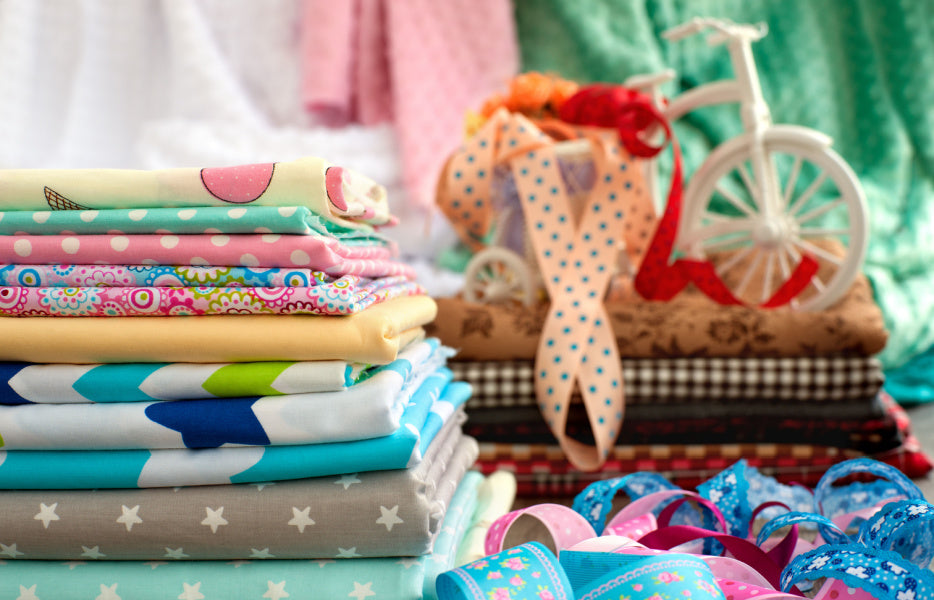
Stripes,spots,hearts & stars
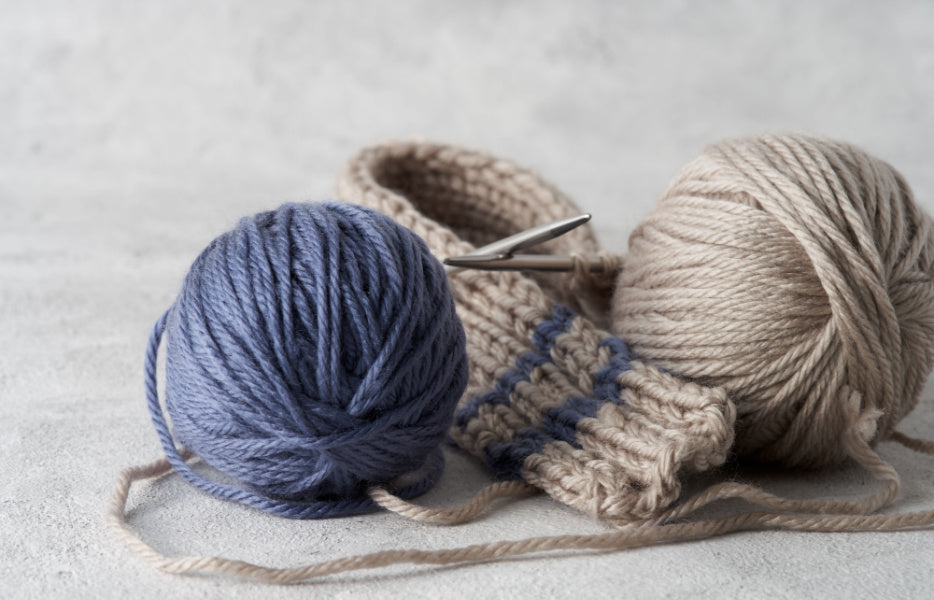
Knitting & Crochet
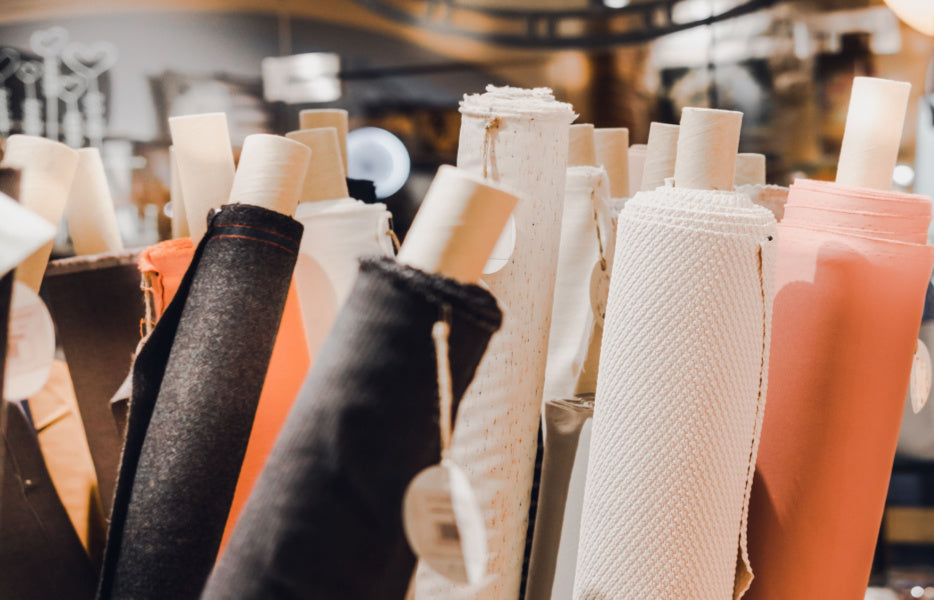
plain basic fabrics

Event drapery Fabric
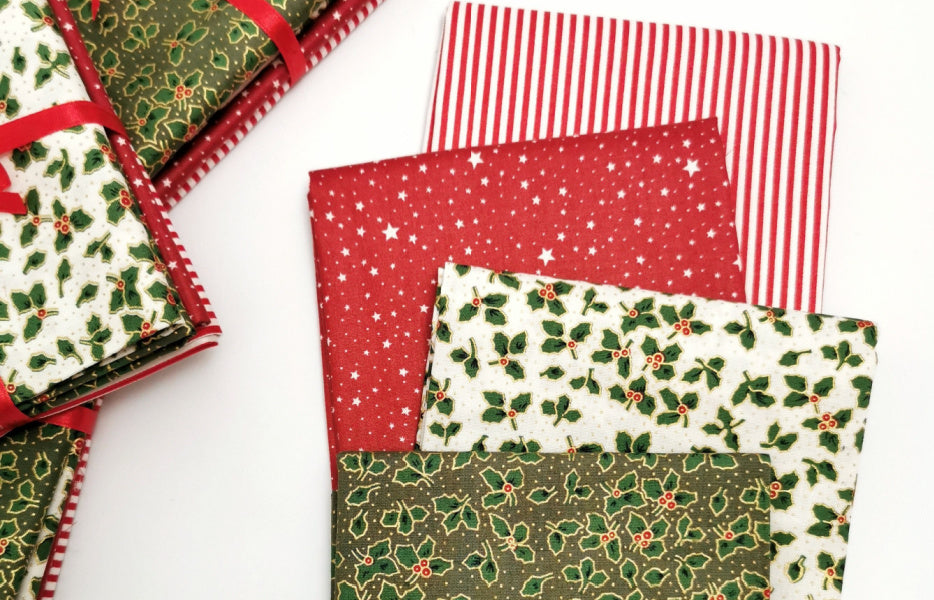
Christmas Fabrics
kids corner Crafts
TAKE 5% OFF YOUR ORDER BY SUBSCRIBING TO OUR NEWSLETTER
Explore our range of denim dressmaking fabrics, ideal for creating durable garments with structure and everyday style. Whether you’re designing casual dresses or more tailored pieces, this collection offers versatile denim dress fabric options for a wide variety of projects. If you’re looking for more general-purpose materials, you can also explore our wider denim fabric range for crafts, upholstery, and multi-use applications.
All of our denim dress fabric is available by the metre, giving you the flexibility to order exactly what you need.
Denim is a popular dressmaking material known for its durability and structured feel. It is ideal for garments that require shape while still offering comfort for everyday wear.
Key benefits of denim dressmaking fabric include:
Durable and long-lasting
Structured finish for defined garments
Suitable for casual and everyday wear
Available in a range of weights and washes
This makes denim dress fabric a reliable choice for garments that need both practicality and style.
At Cheap Fabrics, we offer a wide range of denim dressmaking fabric at competitive prices, with options to suit different budgets while maintaining consistent quality.
Our collection includes a variety of options such as lightweight denim, classic midweight styles, and different washes, giving you flexibility across different designs and projects. All fabrics are sold by the metre, so you can order the exact amount needed for your design.
With consistent quality, a wide selection, and fast UK delivery, we make it easy to source denim dress fabric for dressmaking projects of all sizes.
Denim is sold by weight in ounces per square yard, and the right weight depends on the style you are making. Lighter denim in the 4 to 6 oz range (sometimes called chambray) is soft, breathable, and has a gentle drape that suits gathered summer dresses, sundresses, and floaty shirt dresses. Mid-weight denim around 7 to 9 oz adds more structure while still being comfortable to wear, making it a good choice for pinafores, shift dresses, and pleated skirts. Heavier denim of 10 oz and above is better suited to jackets and structured outerwear than to dresses, as it can feel quite stiff and restrictive in a dress silhouette.
The choice comes down to the fit and style you are aiming for. Stretch denim contains a small percentage of elastane, giving it flexibility and a comfortable, body-following fit throughout the day. It works particularly well for fitted midi dresses, shift dresses, and any style where the fabric needs to move easily with the body. Rigid denim is 100% cotton with no stretch content, giving it a firmer, more structured character that suits A-line, trapeze, and boxy shift styles. It starts stiffer but softens gradually after repeated washing and wearing, which many sewers and wearers appreciate for its authentic denim feel.
Yes, pre-washing is an important step with denim, particularly 100% cotton varieties. Cotton denim can shrink noticeably in its first wash, so if you cut and sew before washing, the finished garment may come out smaller after its first laundry. Machine wash the fabric at around 30°C and tumble dry on a low to medium setting to allow the fibres to shrink fully before you start cutting. If you are working with stretch denim that contains elastane, air dry it instead of tumble drying to protect the elastane from heat damage. Always wash denim alone or with similar dark fabrics on its first wash to prevent dye transfer.
A standard sewing needle will deflect, skip stitches, or break when attempting to sew denim because the fabric's dense twill weave is too thick and tightly packed for a regular point. Use a dedicated Jeans or Denim needle, which has a reinforced shaft and a sharp, strong tip designed specifically for this purpose. Sizes 90/14 to 100/16 are right for most dress-weight denim; heavier fabrics may need a 110/18. Pair this with a heavy-duty polyester thread that can withstand the tension at seams. For topstitching (the visible stitching along pockets, hems, and seams), use a specialised topstitch thread in the needle and regular thread in the bobbin.
Yes, denim frays readily at cut edges because the weft (crosswise) threads that give it body are relatively loose and pull free easily once cut. Finishing the raw edges is important for both appearance and durability. Flat-felled seams are the traditional approach used in jeans construction: they fully encase the raw edges inside a folded seam, are extremely strong, and lie flat, which works well at side seams and curved areas in a dress. If you have an overlocker or serger, that is the fastest method for finishing edges. On a standard sewing machine without a serger, a closely set zigzag stitch near the raw edge is a reliable alternative.
Denim fades primarily from friction, heat, and the action of detergent breaking down the dye over time. To slow this process, turn the garment inside out before washing so the outer surface is protected. Wash in cold water (30°C or lower) on a gentle cycle, and use a mild detergent or one formulated for dark fabrics. Avoid fabric softener, which can affect the dye over repeated washes. Air drying in the shade is preferable to tumble drying, which causes both colour loss and unnecessary wear on the fibres. Washing denim less frequently (around every five to ten wears unless visibly soiled) also extends the vibrancy of the colour significantly.
Denim and chambray are often confused because they share a similar indigo-and-white colourway, but they are structurally quite different. Denim is woven using a twill construction with a clear diagonal rib on the surface, and the warp threads are dyed while the weft threads remain white or undyed. This gives denim its characteristic weight, structure, and the faded cross-section you see at frayed edges. Chambray is woven in a plain (basket) weave rather than twill, and both the warp and weft threads are interwoven at right angles, producing a finer, lighter, and smoother fabric with a more even surface. Chambray drapes more softly than denim and is better suited to flowing summer dresses, while denim is the choice when structure and durability are priorities.
By clicking “Accept All Cookies”, you agree to the storing of cookies on your device to enhance site navigation, analyze site usage, and assist in our marketing efforts.


