









Tulle fabric is a lightweight, netted material known for its sheer appearance and ability to add volume and structure to garments and displays. It’s widely used in dressmaking, bridalwear, and event styling, making it a versatile choice for both creative and practical projects.
From our experience supplying fabrics, tulle is especially popular for skirts, dresses, veils, and decorative applications such as wedding decor and backdrop draping. Its ability to hold shape while remaining light makes it ideal for creating layers, movement, and visual impact without adding weight.
Tulle is available in a variety of finishes, from soft and flowing to more structured and crisp, as well as in a wide range of colours and widths. This makes it suitable for everything from delicate garments to large-scale event designs.
In this tulle buying guide, we’ll explain what tulle fabric is, how it’s made, the different types available, and how to work with it. We’ll also cover its properties, uses, and how to decide if tulle is the right fabric for your project.
What This Tulle Fabric Buying Guide Covers
-
Our Best Selling Tulle Fabrics
What Is Tulle Fabric?
Tulle fabric is a lightweight, open-weave netting made from fine threads, creating a sheer and slightly structured material. It is most commonly associated with bridalwear and occasion garments but is also widely used in decorations, costumes, and craft projects.
Unlike standard woven fabrics, tulle is constructed in a hexagonal or diamond-shaped mesh, which gives it its distinctive net-like appearance. This structure allows tulle to hold its shape while still remaining light and airy, making it ideal for adding volume without weight.
Tulle is often used in layered designs, such as skirts, underskirts, and veils, where it helps create fullness and movement. It’s also popular in event styling, particularly for backdrop draping, ceiling decor, and table styling, where a soft, flowing effect is desired.
Because of its versatility and wide range of finishes, tulle can be both decorative and functional, making it a popular choice for dressmaking, events, and creative projects alike.
What Is Tulle Made From?
Tulle fabric is most commonly made from synthetic fibres such as polyester or nylon. These materials give tulle its strength, durability, and ability to hold its shape while remaining lightweight and sheer.
Polyester tulle is widely used because it is affordable, easy to care for, and suitable for both dressmaking and decorative applications. Nylon tulle is often slightly softer and more flexible, making it a popular choice for garments such as skirts, dresses, and veils where a gentler drape is preferred.
In some cases, tulle can also be made from silk. Silk tulle is a more premium option, offering a softer feel and more delicate finish, and is often used in high-end bridalwear and couture garments.
The fibre used affects how the tulle behaves. Synthetic tulles tend to be more structured and durable, while silk tulle is softer and more fluid. Understanding what tulle is made from can help you choose the right type for your project.
Types of Tulle Fabric
There are several types of tulle fabric available, each with different levels of softness, structure, and finish. Choosing the right type depends on whether your project requires volume, drape, or decorative detail.
-
Soft Tulle - Soft tulle has a finer, more flexible mesh and a gentle drape. It’s commonly used for dresses, skirts, overlays, and garments where a softer, less structured look is preferred.
-
Bridal Tulle - Bridal tulle is typically softer and more refined, designed specifically for veils, wedding dresses, and occasionwear. It offers a delicate appearance while still providing light structure.
-
Dress Net / Stiff Tulle - This type of tulle is more structured and holds its shape well. It’s often used for underskirts, tutus, and garments that require volume and support.
-
Glitter Tulle - Glitter tulle features a sparkling finish, making it ideal for partywear, costumes, and decorative projects. It adds visual impact while maintaining the lightweight properties of standard tulle.
-
Stretch Tulle (Power Mesh) - Stretch tulle contains elastane, giving it flexibility and making it suitable for fitted garments, sleeves, and dancewear where movement is important.
-
Embroidered or Decorative Tulle - This type of tulle includes added details such as embroidery, sequins, or patterns. It’s commonly used for occasionwear, evening dresses, and statement pieces.
Our Most Popular Tulle Fabrics
|
Item |
Recommended Uses |
Price |
|
Perfect for making tutus and adding fullness/flair to clothing. |
£0.99 per metre |
|
|
Ideal for over-layering, costumes, and decorating. |
£1.99 per metre |
|
|
Ideal for costumes that require a drape. |
£4.99 per metre |
|
|
Recommended for bridal wear. |
£2.99 per metre |
Properties of Tulle Fabric
Tulle has several distinctive qualities that affect how it looks, feels, and performs in different projects.
Lightweight
Tulle is extremely lightweight, making it ideal for adding volume without adding weight. This is especially useful for layered garments and large-scale event décor.
Sheer and Transparent
One of the key characteristics of tulle is its sheer, open structure. This allows light to pass through the fabric, creating a soft and airy appearance.
Structured Yet Flexible
Depending on the type, tulle can hold its shape while still allowing some movement. Stiffer tulles provide volume and support, while softer tulles offer more drape.
Open Mesh Structure
Tulle is made with a net-like construction, usually in a hexagonal pattern. This gives it its distinctive texture and makes it different from traditional woven fabrics.
Adds Volume and Shape
Tulle is often used to create fullness in skirts, dresses, and underskirts. It can hold layers away from the body, creating shape without bulk.
Durable for Its Weight
Despite being lightweight, synthetic tulles such as polyester and nylon are relatively durable and suitable for both garments and decorative uses.
These properties make tulle a versatile fabric for projects that require volume, structure, and a lightweight finish.
Fabrics Similar to Tulle
Tulle is often compared to other lightweight, sheer fabrics. While they may look similar, each has its own structure and best use depending on the project.
-
Net Fabric - Net is similar to tulle but usually has a larger, more visible mesh. It tends to be slightly heavier and is often used for costumes, decorations, and craft projects where structure is needed.
-
Mesh Fabric - Mesh fabrics can vary in weight and stretch, especially when made with elastane. They are commonly used for sportswear, dancewear, and fitted garments rather than structured designs.
-
Organza - Organza is a sheer woven fabric rather than a net. It has a crisp, structured feel and a smooth surface, making it suitable for formalwear, bridal garments, and decorative overlays.
-
Chiffon - Chiffon is soft, lightweight, and sheer, but unlike tulle, it drapes fluidly rather than holding shape. It’s often used for flowing dresses and blouses.
-
Voile - Voile is a lightweight, semi-sheer fabric with a soft drape. It’s commonly used for curtains, garments, and decorative projects where a softer finish is preferred.
Tulle vs Organza Fabric
Tulle and organza fabric are both lightweight, sheer fabrics, but they behave quite differently and are suited to different types of projects.
Structure and Construction
Tulle is a netted fabric with an open mesh structure, while organza is a tightly woven fabric with a smooth surface. This gives tulle a more textured appearance and organza a cleaner, more polished finish.
Drape and Movement
Tulle tends to hold its shape, making it ideal for adding volume and structure to garments such as skirts and underskirts. Organza, although still structured, has a slightly smoother drape and is often used for overlays and garments that require a more refined silhouette.
Appearance
Tulle has a soft, airy look due to its open weave, whereas organza appears more crisp and slightly glossy. This makes organza a popular choice for formalwear and bridal garments where a more structured finish is desired.
Best Uses
Tulle is commonly used for tutus, veils, decorations, and backdrop draping, where volume and lightness are key. Organza is often used for dresses, sleeves, overlays, and event decor where a smooth, structured fabric is preferred.
Choosing between tulle and organza depends on whether you need a fabric that creates volume and texture (tulle) or one that offers structure with a smoother finish (organza).
Is Tulle Fabric Expensive?
Tulle fabric is generally considered an affordable material, especially when compared to many dressmaking and occasion fabrics. Its price can vary depending on the fibre, finish, and level of decoration, but there are options available to suit most budgets.
Basic polyester tulle is typically the most budget-friendly option with our prices being £1.99 per metre. It’s widely used for dresses, skirts, decorations, and crafts, making it a popular choice for both large projects and everyday use.
More specialised tulles, such as glitter tulle, embroidered tulle, or bridal tulle, tend to be slightly more expensive due to their added detail or softer finish. These are often chosen for occasion-wear, costumes, and decorative applications where appearance is a priority.
At the higher end, silk tulle is usually the most expensive option. It offers a softer, more delicate finish but is typically reserved for high-end garments and couture projects.
Overall, tulle offers good value for money, with a wide range of price points available depending on your project and requirements.
How to Dye Tulle Fabric?
Tulle fabric can be dyed, but the method you use depends on the fibre it’s made from. Most tulle is made from polyester or nylon, which require different dyeing approaches compared to natural fibres.
For nylon tulle, fabric dyes designed for synthetic fibres can be used successfully. The dye is typically applied in hot water, allowing the colour to penetrate the fibres evenly.
For polyester tulle, dyeing is more difficult. Polyester requires specialised dyes and very high heat to achieve strong, lasting colour. Because of this, it can be harder to dye at home, and results may vary.
If you’re working with silk tulle, it can be dyed more easily using dyes suitable for natural fibres, making it a good option for custom colouring.
Before dyeing, it’s important to:
-
Check the fibre content of your tulle
-
Test on a small sample first
-
Follow the dye manufacturer’s instructions carefully
Is Tulle Fabric Good for Draping?
Tulle fabric is a popular choice for draping, particularly for events, weddings, and decorative displays. Its lightweight and sheer structure makes it easy to work with when creating soft, layered effects.
One of the main advantages of tulle for draping is that it adds volume without weight. This makes it ideal for ceiling installations, backdrop draping, and table styling, where large amounts of fabric are needed without making the setup heavy or difficult to manage.
Tulle also allows light to pass through, helping create a soft, airy appearance. This makes it especially effective for wedding draping, where a delicate and elegant finish is often desired.
However, tulle does not drape in the same way as flowing fabrics like chiffon or voile. It tends to hold its shape slightly rather than falling smoothly, which can create a more structured look.
Overall, tulle is well suited to backdrop draping and decorative applications where volume, softness, and visual impact are important.
How to Sew with Tulle Fabric?
Tulle can be slightly tricky to sew because of its open mesh structure, but with the right approach it’s manageable for both beginners and experienced dressmakers.
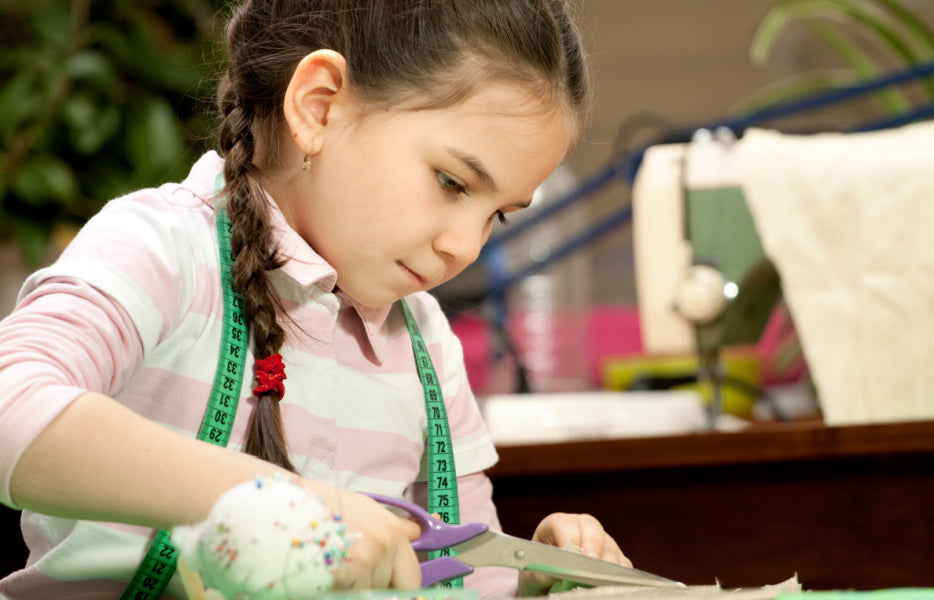
Because tulle is lightweight and sheer, it can shift when cutting or sewing. Using sharp scissors and cutting on a flat surface helps keep the fabric stable. Pattern weights can also be useful to prevent movement.
When sewing, a fine needle is recommended to avoid damaging the delicate mesh. Stitching slowly and evenly helps maintain control, especially on softer tulles. For seams, many projects use simple straight stitches or narrow seams, as tulle does not fray in the same way as woven fabrics.
Pins can sometimes leave visible marks or distort the mesh, so using clips or pinning within seam allowances can help reduce this. It’s also a good idea to test stitches on a scrap piece before starting your project.
While tulle may require a little more care than standard fabrics, it’s relatively forgiving in some ways, particularly because it doesn’t unravel. With a bit of patience, it can be used to create garments and designs with volume and visual impact.
How to Care for Tulle Fabric
Tulle is generally easy to care for, but gentle handling helps maintain its shape and appearance, especially for garments and decorative pieces.
Most polyester and nylon tulles can be washed on a cool, gentle cycle using mild detergent. For delicate or decorative tulles, such as glitter or embroidered styles, hand washing is often the safest option to avoid damage.
Tulle should ideally be air dried rather than tumble dried. Hanging or laying it flat helps prevent distortion and keeps the fabric looking smooth. High heat should be avoided, as it can damage synthetic fibres or affect the structure of the fabric.
In most cases, tulle does not require ironing. If needed, use a very low heat setting and avoid direct contact with the fabric for extended periods, as it can melt or lose its shape.
With simple care, tulle can remain durable and visually appealing, even after repeated use in garments or decorative applications.
How to Identify Premium Tulle Fabric When Shopping Online
When buying tulle fabric online, checking a few key details can help ensure you choose a high-quality option that suits your project.
-
Check the fibre content - Most tulle is made from polyester or nylon. Nylon tends to be softer and more flexible, while polyester is more structured and durable.
-
Look at the mesh size and finish - Finer mesh tulle usually feels softer and more refined, making it suitable for garments and bridalwear. Larger mesh may be better for decorative or craft uses.
-
Review fabric width and weight - Wider tulles are useful for draping and large-scale projects, while narrower options may suit dressmaking. Weight can also indicate how soft or structured the fabric will be.
-
Read recommended uses - Product descriptions often suggest whether the tulle is suitable for dresses, veils, decorations, or crafts, helping you choose the right type.
-
Examine product images - Clear images can help you assess transparency, texture, and colour. Look for close-ups that show the mesh detail.
-
Order a sample if unsure - If you’re deciding between options, a sample allows you to check softness, structure, and colour before buying larger quantities.
Taking a few minutes to review these details can help you select tulle fabric that performs well and meets your expectations.
Where to Buy Cheap Tulle Fabric?
If you’re looking for affordable tulle fabric, it’s important to choose a supplier that offers both good value and consistent quality. Cheap tulle doesn’t have to mean poor quality, especially when you’re buying from a specialist fabric retailer.
At Cheap Fabrics, we offer a wide range of tulle fabrics at competitive prices, including soft tulle, dress net, glitter tulle, and bridal options. Our collection is designed to suit both dressmaking and event use, whether you’re creating garments, decorations, or large-scale backdrop draping.
Buying from a dedicated fabric supplier also means you benefit from clear product descriptions, reliable quality, and a wide choice of colours and widths. This makes it easier to find the right tulle for your specific project without overspending.
You can explore our full range of cheap tulle fabric to find options suitable for everything from dresses and costumes to wedding decor and creative projects.
Is Tulle the Right Material for You?
Tulle is a great choice if you’re looking for a fabric that offers:
-
Lightweight structure and volume
-
A sheer, decorative finish
-
Versatility across dressmaking, events, and crafts
-
Affordable options for both small and large projects
It works particularly well for garments and designs that require shape and visual impact, such as skirts, underskirts, veils, and layered dresses. It’s also highly effective for event styling, including backdrop draping, ceiling decor, and table decorations.
However, tulle may not be the best option if you’re looking for a fabric with a soft, fluid drape or a more opaque finish. In these cases, fabrics like chiffon, voile, or organza may be more suitable depending on your project.
Overall, tulle offers a practical balance of structure, lightness, and affordability. By choosing the right type, you can create designs that are both visually striking and easy to work with. If you’re ready to get started, explore our range of tulle fabrics to find the right option for your next project.


