

UK STANDARD DELIVERY | LIGHTWEIGHT ONLY £1.95 | FLAT RATE £2.95 | NEXT DAY DELIVERY FROM £7.99 - 1.30PM DEADLINE | NO WEEKEND DELIVERY
UK STANDARD DELIVERY | LIGHTWEIGHT ONLY £1.95 | FLAT RATE £2.95 | NEXT DAY DELIVERY FROM £7.99 - 1.30PM DEADLINE | NO WEEKEND DELIVERY
TAKE 5% OFF YOUR ORDER BY SUBSCRIBING TO OUR NEWSLETTER
Haberdashery
 from
£0.15
from
£0.15
Add colour and vitality to your wardrobe with the various colours available.
TAKE 5% OFF YOUR ORDER BY SUBSCRIBING TO OUR NEWSLETTER
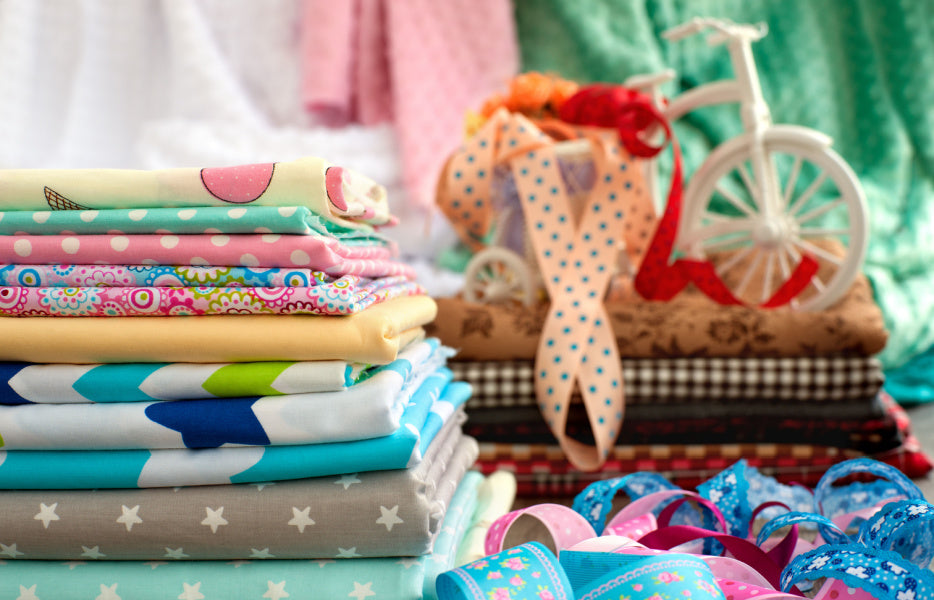
Stripes,spots,hearts & stars
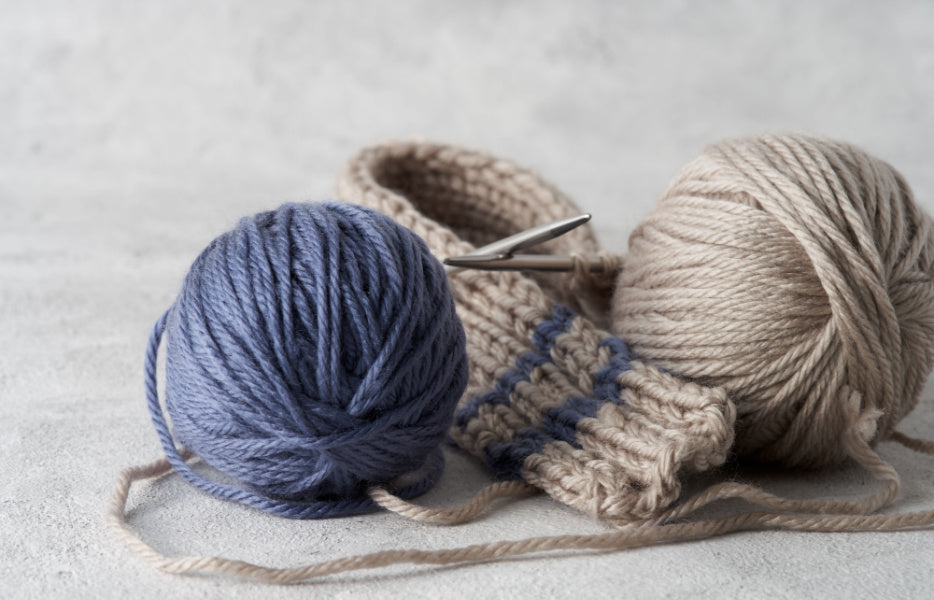
Knitting & Crochet
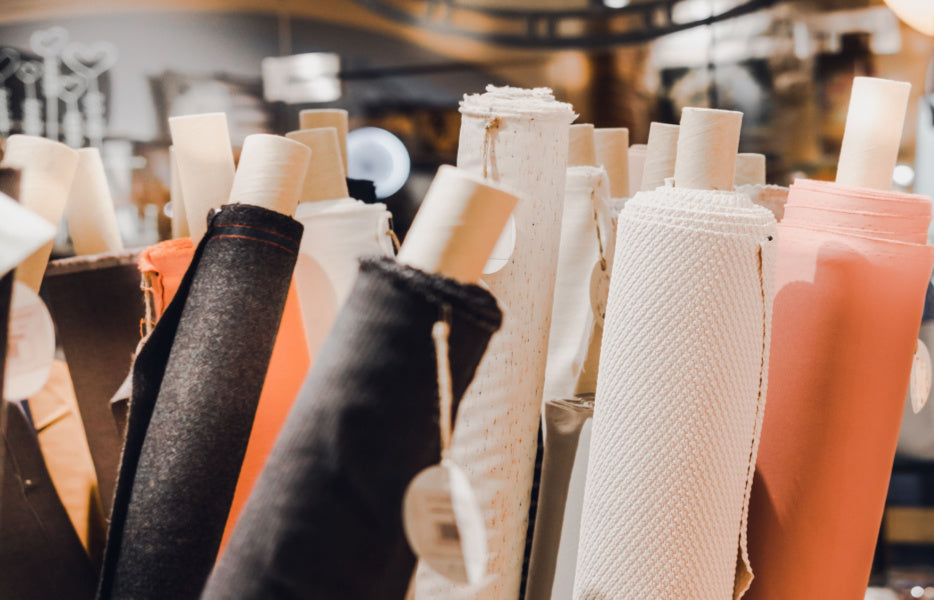
plain basic fabrics

Event drapery Fabric
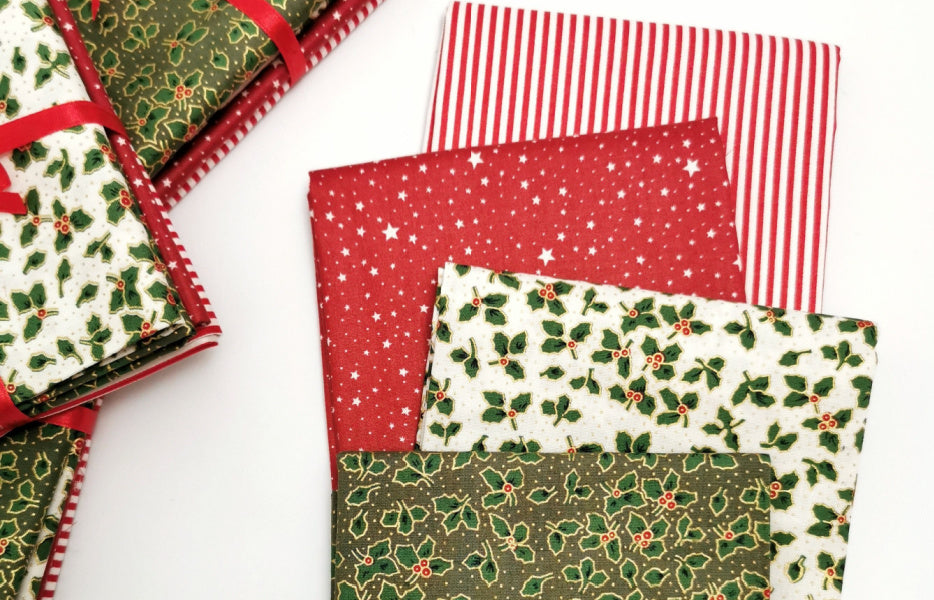
Christmas Fabrics
kids corner Crafts
TAKE 5% OFF YOUR ORDER BY SUBSCRIBING TO OUR NEWSLETTER
Explore our range of dress netting fabrics, ideal for adding volume, structure, and shape to garments. Whether you’re creating underskirts, costumes, or statement designs, this collection offers versatile dress netting fabric options for a wide range of dressmaking projects.
Our dress netting dressmaking fabric range is available in a variety of colours, stiffness levels, and finishes, making it easy to find the right option for your design. If you’re exploring alternatives, you may also want to browse our tulle fabric and organza fabric collections, which are also popular choices for adding volume and layering in garments.
All of our dress netting fabric is available by the metre, giving you the flexibility to order exactly what you need.
Dress netting is a popular dressmaking material used to create volume and structure within garments. Unlike soft, draping fabrics, it holds its shape, making it ideal for designs that require fullness.
Key benefits of dress netting fabric include:
Adds volume and shape to garments
Lightweight despite its structure
Ideal for layering and underskirts
Available in different stiffness levels
This makes dress netting fabric a great choice for garments that require structure without adding excessive weight.
At Cheap Fabrics, we offer a wide range of dress netting dressmaking fabric at competitive prices, with options to suit different budgets while maintaining consistent quality.
Our collection includes a variety of options such as soft netting, stiff netting, and different colour choices, giving you flexibility across different designs and projects. All fabrics are sold by the metre, so you can order the exact amount needed for your design.
With consistent quality, a wide selection, and fast UK delivery, we make it easy to source dress netting fabric for dressmaking projects of all sizes.
All three are open-mesh fabrics used to add volume and structure to garments, but they differ in stiffness and use. Standard dress netting has a moderately open mesh and a fairly firm body, making it a reliable choice for underskirts, petticoats, and costumes where volume is needed without softness. Tulle is much finer, with tiny hexagonal holes and a lighter, softer hand, so it creates a more delicate, layered effect and is widely used in bridal veils, wedding gowns, and ballet tutus. Crinoline is the stiffest of the three and is used primarily as a structural layer inside a garment to create and hold high volume in full-skirted silhouettes.
In dressmaking, netting fabric is mainly used to add fullness and volume beneath or within a garment rather than as a visible outer fabric. Layered and gathered underskirts and petticoats are the most common application, particularly under prom dresses, bridesmaid dresses, and bridal gowns to make the skirt stand out. It is also used for overlays on the outside of a dress or bodice to add texture and visual interest, for wedding veils, and for tutus, dance costumes, and theatrical fancy dress work.
The amount of volume you achieve depends on both how many layers you use and how stiff the netting is. As a general guide, a well-filled petticoat or underskirt typically calls for between three and five layers of gathered netting. Using a stiffer variety of dress net will give more volume per layer, so you may need fewer layers than you would with a softer tulle. For a very full, structured ballgown effect, opting for a stiffer netting or adding a crinoline layer at the base will give a more dramatic result than stacking more layers of soft tulle.
One of the practical advantages of dress netting is that it does not fray at cut edges. Because the fabric is a mesh structure rather than a woven or knitted construction, there are no threads along the edge to unravel when the fabric is cut. This means raw edges can be left unfinished without any risk of the fabric deteriorating, which simplifies the making process considerably, particularly when cutting and gathering multiple layers for a petticoat or tutu.
For non-stretch dress net and tulle, a Microtex or Sharps needle in a fine size (60/8 to 80/12) is a good choice, as it pierces the mesh holes cleanly without snagging. If you are working with stretch netting or body stocking mesh that contains elastane, switch to a ballpoint or stretch needle of a similar size to prevent the fibres from being damaged. Use a longer stitch length (around 3mm or more) when gathering netting for petticoat tiers, which makes gathering easier and faster. For seams, a shorter stitch length is better. Reducing presser foot pressure can also help when sewing several layers at once.
Standard dress netting can feel scratchy or irritating against bare skin because of its stiff, open mesh. The most effective solution is to add a lining layer in a smooth fabric between the netting and the skin, so that the netting never directly contacts the body. Choosing a softer variety, such as soft tulle or ballet net, for the innermost layer can also help. Washing the netting before use, with a small amount of fabric softener added to the rinse cycle, can reduce stiffness slightly, though it is unlikely to transform a very firm net into something silky smooth.
Most polyester and nylon dress netting can be machine washed on a cool, gentle cycle. Placing it inside a mesh laundry bag is recommended to prevent the net from catching on other items in the drum. Hand washing in cool water with a small amount of mild detergent is the safest method if you want to be cautious. Air drying is strongly preferred over tumble drying, as the heat and tumbling action of a dryer can distort the mesh or, in the case of nylon, cause the fibres to become misshapen. Netting generally holds its structure well with proper care and does not shrink significantly.
By clicking “Accept All Cookies”, you agree to the storing of cookies on your device to enhance site navigation, analyze site usage, and assist in our marketing efforts.


