

UK STANDARD DELIVERY | LIGHTWEIGHT ONLY £1.95 | FLAT RATE £2.95 | NEXT DAY DELIVERY FROM £7.99 - 1.30PM DEADLINE | NO WEEKEND DELIVERY
UK STANDARD DELIVERY | LIGHTWEIGHT ONLY £1.95 | FLAT RATE £2.95 | NEXT DAY DELIVERY FROM £7.99 - 1.30PM DEADLINE | NO WEEKEND DELIVERY
TAKE 5% OFF YOUR ORDER BY SUBSCRIBING TO OUR NEWSLETTER
Haberdashery
 from
£0.15
from
£0.15
Add colour and vitality to your wardrobe with the various colours available.
TAKE 5% OFF YOUR ORDER BY SUBSCRIBING TO OUR NEWSLETTER
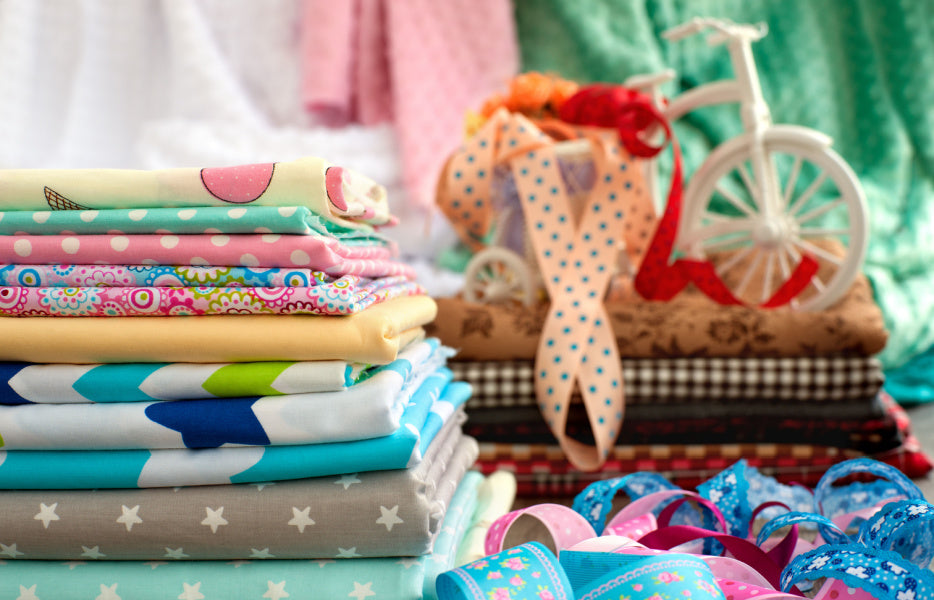
Stripes,spots,hearts & stars
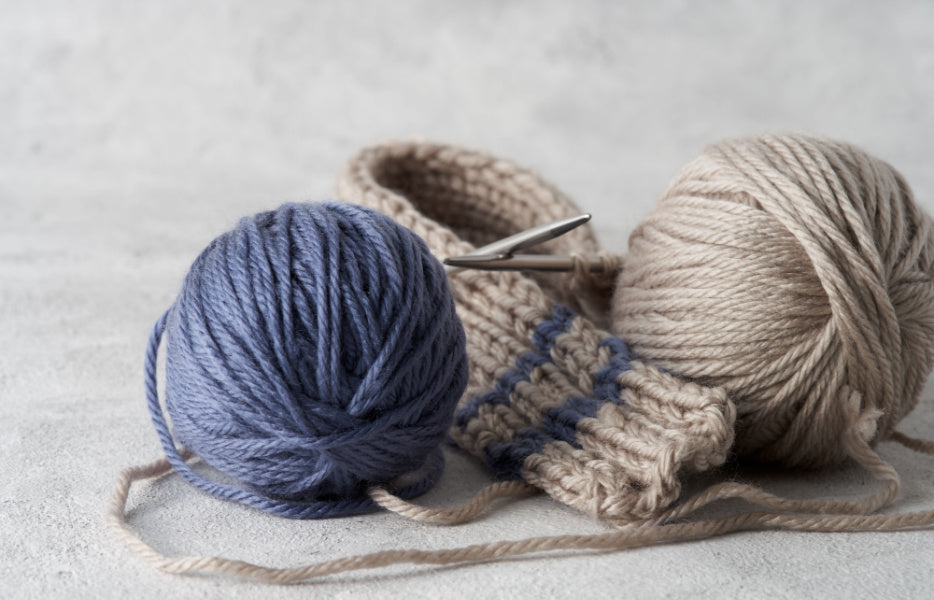
Knitting & Crochet
plain basic fabrics

Event drapery Fabric
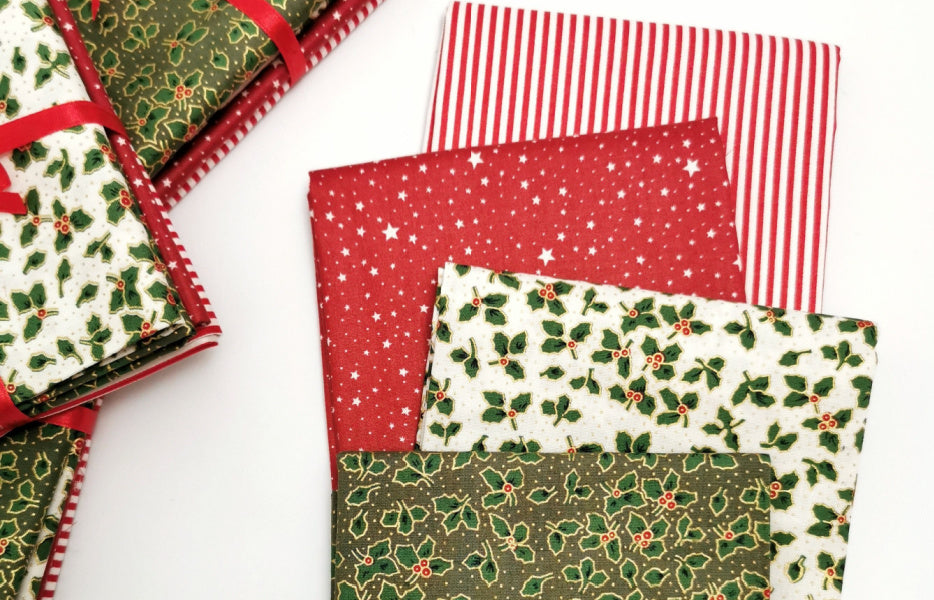
Christmas Fabrics
kids corner Crafts
TAKE 5% OFF YOUR ORDER BY SUBSCRIBING TO OUR NEWSLETTER
Explore our range of African dressmaking fabrics, perfect for creating garments with bold patterns, vibrant colours, and standout designs. Whether you’re making everyday wear or statement pieces, this collection offers versatile african dress fabric options suitable for a wide variety of projects. If you’re looking for more general-purpose materials, you can also explore our wider african fabric range for crafts, accessories, and decorative use.
All of our african dress fabric is available by the metre, giving you the flexibility to order exactly what you need.
African fabric is a popular dressmaking material known for its distinctive prints and vibrant colour palettes. It is ideal for garments that are designed to stand out and make an impact.
Key benefits of african dressmaking fabric include:
Bold patterns and striking designs
Rich, vibrant colours
Suitable for a wide range of garment styles
Ideal for statement and cultural fashion
This makes african dress fabric a great choice for creating garments with strong visual appeal.
At Cheap Fabrics, we offer a wide range of african dressmaking fabric at competitive prices, with options to suit different budgets while maintaining consistent quality.
Our collection includes a variety of options such as traditional prints, modern patterns, and different fabric bases, giving you flexibility across different styles and projects. All fabrics are sold by the metre, so you can order the exact amount needed for your design.
With consistent quality, a wide selection, and fast UK delivery, we make it easy to source african dress fabric for dressmaking projects of all sizes.
African dress fabric is a broad term that covers the range of textiles traditionally associated with African clothing, but in a UK dressmaking context it most often refers to African wax print fabric, commonly known as Ankara. Ankara is a 100% cotton fabric featuring bold, large-scale patterns in vivid colours, produced using a wax-resist dyeing process. Molten wax is applied to the cotton in a pattern, the cloth is then dyed, and the wax prevents the dye from penetrating those areas, creating the characteristic design. Because the wax soaks through both sides of the fabric, genuine wax print looks equally vivid on the front and reverse, which is one of its distinguishing features.
Beyond Ankara, several other distinct African textiles are widely known and used in dressmaking. Kente is a handwoven cloth from Ghana, traditionally made in narrow strips of silk and cotton that are stitched together, and it is considered one of the most prestigious African textiles for its intricate geometric patterns and cultural significance. Shweshwe is a crisp, printed cotton originating in South Africa, recognised by its small repeating geometric motifs and traditionally indigo-coloured ground. Kanga and Kitenge are East African printed cotton fabrics, often bearing printed text or proverbs along the border. Bogolan (or mud cloth) from Mali is a cotton fabric dyed using fermented mud and plant pigments, producing earthy-toned abstract patterns.
The quality difference between genuine and imitation wax print is significant and worth checking before buying. Authentic wax print is made from 100% cotton, so it feels soft, breathable, and slightly matte, and the pattern is equally clear and saturated on both sides of the fabric. Many genuine prints also carry a manufacturer's brand name printed along the selvedge edge. Imitation Ankara is often made from a polyester blend, which gives it a noticeably stiffer, shinier, or slightly plasticky feel. The print on imitation fabric is usually only crisp on one side and fades much faster with washing. A quick water test helps: genuine cotton absorbs a drop of water quickly, while polyester repels it.
The amount depends on the style and length of the dress, with the added consideration that Ankara is typically narrower than standard UK dressmaking fabric, at around 45 inches (115cm) wide rather than the more common 60 inches. As a rough guide, a simple shift or knee-length dress requires about 2.5 to 3 yards, a midi or A-line dress around 3 to 4 yards, and a full-length maxi, flared, or kaftan-style dress between 4 and 6 yards. Because Ankara is sold with bold, large-scale patterns that often need to be matched at seams, it is wise to buy an extra half to one yard beyond the pattern's stated requirement to allow for this.
Ankara is actually one of the more beginner-friendly dressmaking fabrics because it is a stable, non-stretch cotton that holds its shape, does not slip during cutting or stitching, and presses crisply. It behaves in a similar way to quilting cotton or a firm poplin. A standard Universal needle in size 80/12 or 90/14 works well, and a stitch length of around 2.5mm to 3mm is appropriate. The main challenge specific to Ankara is working with the large, bold prints, which require careful planning of the cutting layout to ensure that prominent pattern elements fall in the right place and that the pattern aligns at side seams.
Yes, pre-washing Ankara before cutting is a good habit. New wax print fabric often contains a degree of stiffness from the wax and sizing used in production, and washing before sewing removes this, giving the fabric a softer, more relaxed feel that is representative of how the finished garment will behave when worn. Pre-washing also allows any initial shrinkage to take place in the fabric rather than in the finished garment, and it helps to prevent colour bleed from affecting the finished piece the first time it is laundered. Hand washing in cool water is the gentler option, though a cool gentle machine cycle is also possible.
The bold colours of Ankara and other African wax prints are best preserved with gentle, cool washing. Hand washing in cold water using a mild soap or liquid detergent is the recommended method, and adding a small amount of white vinegar to the rinse water is a widely used technique for helping the dye stay stable. Always turn garments inside out before washing, avoid harsh detergents or bleach, and keep the water temperature cool as heat accelerates colour fading. Dry the garment in the shade rather than in direct sunlight. When ironing, use a medium heat setting and iron on the reverse side to protect the print surface.
By clicking “Accept All Cookies”, you agree to the storing of cookies on your device to enhance site navigation, analyze site usage, and assist in our marketing efforts.


