


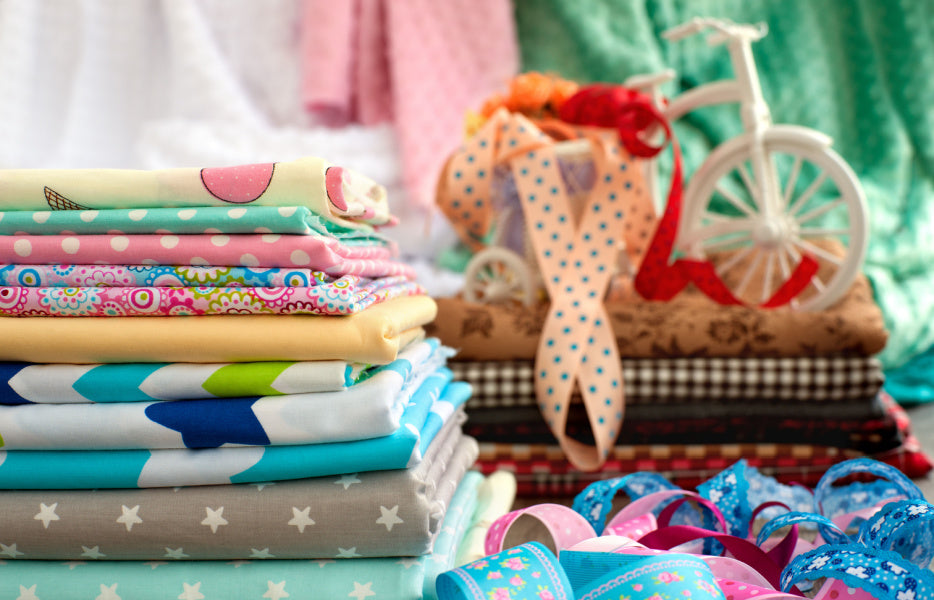




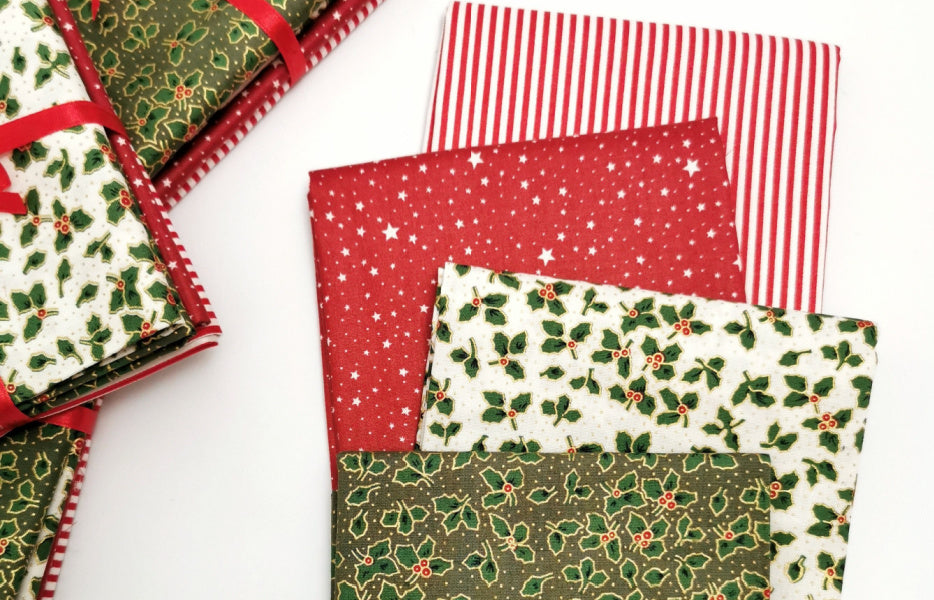

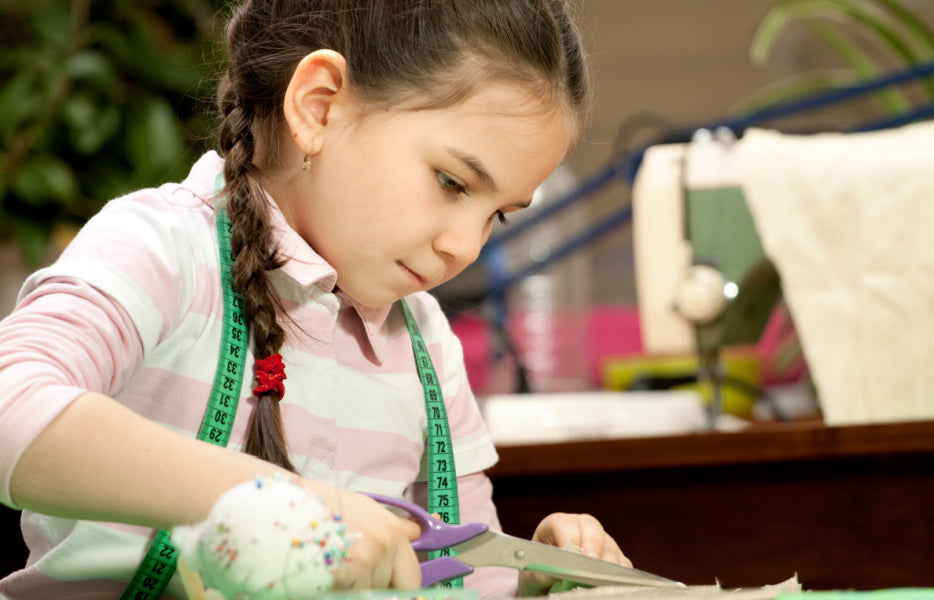


Cotton fabric is a natural, versatile material known for its softness, breathability, and ease of use. Suitable for everything from everyday clothing and childrenswear to quilting, crafts, and home furnishings, it suits makers of all skill levels and virtually any project and budget.
In this guide, we cover what cotton is, what it is made from, the types available, and how to work with it, including its key properties, advantages, and disadvantages.
What This Cotton Fabric Buying Guide Covers
- Our Best Selling Cotton Fabrics
- Disadvantages of Cotton Fabric (And Alternatives)
- Is Cotton Fabric Easy to Sew?
- Is Cotton Fabric Breathable?
- What Can You Make with Cotton Fabric?
- How to Care for Cotton Fabric
- How to Identify Premium Cotton Fabric When Shopping Online
- Is Cotton the Right Material for You?
WHAT IS COTTON FABRIC?
Cotton fabric is a natural textile made from the fibres of the cotton plant. It is one of the oldest and most widely used fabrics in history, valued for its softness, durability, and breathability across a huge range of applications.
The fabric is produced by spinning cotton fibres into yarn, which is then woven or knitted into cloth. Depending on the weave and finish applied, the resulting fabric can range from fine and lightweight to thick and structured, giving cotton an unusually broad range of uses.
Cotton is particularly well regarded for its feel against the skin. It is soft, non-irritating, and comfortable to wear for long periods, which is why it remains a popular choice for clothing, babywear, bedding, and anything worn or used close to the body.
Cotton is easy to sew, which makes it one of the most beginner-friendly fabrics available. It does not slip under the needle, it presses well, and it responds reliably to cutting, pinning, and stitching, making it an excellent starting point for dressmakers at all levels.
WHAT IS COTTON MADE FROM?
Cotton is made from the natural fibres found in the seed pods, known as bolls, of the cotton plant. Once the bolls open, the soft white fibres inside are harvested, cleaned, and spun into yarn, which is then woven or knitted into fabric.
Because cotton comes entirely from a plant-based source, it is classified as a natural fibre, alongside linen, wool, and silk. This natural origin contributes directly to many of cotton's well-known qualities, including its breathability, softness, and ability to absorb moisture.
The length of the cotton fibre, known as the staple, plays an important role in the quality of the finished fabric. Longer staple cottons, such as Egyptian cotton and Pima cotton, produce finer, smoother, and more durable fabrics. Shorter staple cottons are more commonly used for everyday and budget-friendly options.
Cotton may also be blended with other fibres during production. Polycotton blends cotton with polyester to improve durability and reduce creasing, while stretch cotton blends incorporate elastane for added comfort and flexibility..
TYPES OF COTTON FABRIC
Cotton is produced in many different weaves and finishes, each suited to different projects and applications. Choosing the right type of cotton fabric for your design is just as important as choosing the right fibre.
-
Cotton Poplin: A tightly woven, smooth, and slightly crisp cotton fabric. Poplin is one of the most popular choices for dressmaking because it holds its shape well and is easy to sew. It works particularly well for shirts, blouses, dresses, and children's clothing.
-
Cotton Lawn: A very lightweight, fine cotton with a soft drape and semi-sheer appearance. Cotton lawn is often used for delicate blouses, summer dresses, and baby clothing where a gentle, fluid finish is needed. Browse our cotton lawn fabrics from £2.49 per metre.
-
Cotton Jersey: A knitted cotton fabric with a natural stretch. It is soft and comfortable against the skin, making it ideal for casual tops, T-shirts, loungewear, and children's clothing. Our Plain Coloured Cotton Mix Jersey is available in over 25 colours from £3.99 per metre.
-
Muslin: A lightweight, plain-weave cotton with an open, slightly loose structure. Muslin is widely used for toiles, pattern testing, baby products, and craft projects. Our Muslin Fabric starts from £2.49 per metre.
-
Cotton Canvas and Drill: Heavier, tightly woven cotton fabrics with a firm structure. These are commonly used for bags, structured outerwear, and projects that need a durable, hard-wearing fabric.
-
Cotton Voile: A lightweight, semi-sheer cotton with a soft, flowing drape. Often used for blouses, summer dresses, and window treatments where lightness and airflow are important. Explore our cotton voile fabrics from £4.49 per metre.
-
Calico: A plain-weave cotton fabric with a natural, unbleached finish. It is popular for toiles, craft projects, and budget-friendly makes. Our Calico is available from £3.49 per metre.
-
Patchwork and Printed Cotton: Printed cotton is the fabric of choice for quilters and crafters. Our patchwork cotton fabrics are available in a wide range of designs and prints from £4.49 per metre.
OUR MOST POPULAR COTTON FABRICS
|
Item |
Recommended Uses |
Price |
|
Dresses, blouses, and everyday dressmaking |
£3.49 per metre |
|
|
Summer garments, shirts, and relaxed tops |
£3.99 per metre |
|
|
T-shirts, tops, and casual children's clothing |
£3.99 per metre |
|
|
Toiles, baby products, and craft projects |
£2.49 per metre |
PROPERTIES OF COTTON FABRIC
Cotton has a distinctive set of qualities that make it one of the most widely used fabrics across dressmaking, crafts, and homeware.
-
Soft and comfortable: Naturally soft and gentle against the skin, making it ideal for all-day wear, babywear, and sensitive skin.
-
Breathable: The natural fibre structure allows air to circulate freely, helping regulate body temperature.
-
Absorbent: Holds moisture without feeling damp, making it ideal for towels, face cloths, and activewear.
-
Stable and easy to handle: Has a stable weave that holds its shape during cutting and sewing, making it easy and predictable to work with.
-
Pressable: Responds well to heat, making it easy to press seams flat and achieve a neat finish.
-
Durable: Strong enough to withstand regular washing and everyday use without losing its structure or softness.
-
Wide range of weights: From fine lawn and voile to heavy canvas and drill, there is a cotton type suited to almost any sewing or craft project.
ADVANTAGES OF COTTON FABRIC
The benefits of cotton fabric explain why it remains one of the most widely used fabrics in the world. Its combination of practical and comfort-related qualities makes it suitable for a wide range of everyday projects.
-
Natural and Skin-Friendly: As a natural fibre, cotton is generally well tolerated by sensitive skin. It is soft, non-irritating, and often recommended for babywear, underwear, and garments worn directly against the body.
-
Highly Breathable: Cotton allows air to circulate freely, making garments feel cooler and more comfortable, particularly in warm weather. This breathability sets it apart from many synthetic fabrics.
-
Easy to Sew: Cotton's stable weave and predictable behaviour make it one of the most beginner-friendly fabrics available. It cuts cleanly, pins easily, and stitches reliably, making it ideal for those learning dressmaking or trying new techniques.
-
Versatile Across Projects: From lightweight summer dresses and children's clothing to structured bags and home furnishings, cotton's range of weights and weaves makes it suitable for an exceptionally wide variety of uses.
-
Easy to Care For: Most cotton fabrics can be machine washed, making them low-maintenance for everyday garments and household items. They also respond well to ironing at medium to high heat settings.
-
Widely Available and Affordable: Cotton fabrics are available at a broad range of price points, making them accessible for makers working to different budgets. Plain cottons in particular offer excellent value for everyday projects, with options like our Soft Pure Plain Cotton starting from £3.49 per metre.
-
Naturally Biodegradable: As a plant-based fibre, cotton is biodegradable, making it a more environmentally considered choice compared to fully synthetic fabrics.
DISADVANTAGES OF COTTON FABRIC (AND ALTERNATIVES)
While cotton is one of the most versatile fabrics available, it does have some limitations worth considering before choosing it for a project.
-
Can Shrink in the Wash: Cotton is prone to shrinkage, particularly when first washed or exposed to high temperatures. Pre-washing fabric before sewing is strongly recommended to minimise size changes in finished garments.
-
Creases Easily: Cotton wrinkles more readily than many synthetic fabrics. Garments may need regular ironing to stay looking neat. If crease resistance is a priority, polycotton or a polyester fabric may be a more practical choice.
-
Less Fluid Drape: Woven cotton tends to hold its shape rather than drape softly. For garments that rely on fluid movement and a silky fall, fabrics such as viscose or silk may be more suitable. See our viscose buying guide for more information.
-
Can Feel Heavy in Thicker Weights: Heavier cotton weaves such as canvas or drill are less suited to lightweight summer garments. In these cases, cotton lawn or voile are better options, or switching to a lighter natural fibre such as linen.
-
Not Naturally Stretchy: Standard woven cotton does not have inherent stretch. For garments that require ease of movement or a close fit, cotton jersey or a stretch cotton blend with elastane would be more appropriate.
-
Environmental Considerations: While cotton is a natural fibre, conventional cotton farming can be water-intensive. For makers with sustainability as a priority, organic cotton offers a more environmentally conscious alternative.
IS COTTON FABRIC EASY TO SEW?
Cotton is widely regarded as one of the easiest fabrics to sew, which is why it is so often recommended as a starting point for beginners. Its stable weave means it stays in place during cutting and does not shift under the sewing machine foot the way that slippery or very lightweight fabrics can.
Cotton cuts cleanly with sharp scissors, presses flat with ease, and responds predictably to standard sewing machine settings. Seams sit neatly, hems are straightforward, and mistakes can usually be unpicked and corrected without damaging the fabric.
The main considerations when sewing cotton are using a sharp needle appropriate for the fabric weight, and pre-washing the fabric before cutting to account for any initial shrinkage. Beyond that, cotton is forgiving and reliable, making it an excellent choice for both simple and more complex projects.
Heavier cotton weaves like canvas or drill require a stronger needle and may benefit from a longer stitch length, while very fine cotton lawns need a finer needle and a little more care during cutting to prevent distortion. Choosing the right needle for the weight of cotton you are working with makes a noticeable difference to the finished result.
IS COTTON GOOD FOR SUMMER?
Cotton is one of the best fabric choices for summer clothing. Its natural breathability allows air to circulate freely, helping the body stay cool and comfortable even in warm conditions.
Lightweight cotton weaves such as lawn, voile, and poplin are particularly well suited to summer garments. They are light enough to feel cool against the skin while still offering the coverage and structure needed for dresses, blouses, and shirts. Their ability to absorb perspiration without immediately feeling damp also adds to their comfort in warmer weather.
Loose-fitting cotton garments benefit from good airflow, making them a practical and stylish choice for summer dressmaking. Wrap dresses, tiered skirts, open-necked blouses, and wide-leg trousers all work well in cotton fabric and are comfortable to wear throughout the day.
Cotton does crease more easily than some fabrics, which is worth bearing in mind for summer garments worn on long days or while travelling. A poplin or a slightly denser weave tends to hold its appearance better than a very fine lawn in these situations.
IS COTTON GOOD FOR WINTER?
Cotton is less commonly associated with winter clothing, but it can work well as part of a layered wardrobe. On its own, cotton does not provide significant insulation, but it serves as a comfortable base layer that can be worn under warmer fabrics without feeling bulky or restrictive.
Heavier cotton weaves such as drill, canvas, or thick cotton jersey provide more warmth than lightweight versions. These are often used for structured jackets, casual outerwear, and winter tops where some body is needed alongside comfort.
For home projects such as bedding and cushion covers, cotton is well suited to year-round use. Cotton bedding is popular because it is breathable enough to prevent overheating while still feeling warm and comfortable.
For true insulation in cold conditions, pairing cotton with a warmer fabric or lining is usually the most practical approach. Wool, fleece, and thermal jersey all layer well with cotton and extend its usefulness into colder months.
IS COTTON FABRIC BREATHABLE?
Cotton is one of the most breathable fabrics available. Its natural fibre structure allows air to pass through freely, making it comfortable to wear in warm conditions and suitable for garments used during activity or worn for extended periods.
The breathability of cotton comes directly from its plant-based origin. The hollow structure of cotton fibres allows moisture to be absorbed and released easily, which helps regulate body temperature and prevents garments from feeling stuffy or uncomfortable.
This makes cotton fabric particularly well suited to summer clothing, babywear, underwear, and any application where comfort against the skin is a priority. It is frequently recommended over synthetic fabrics in these contexts for this reason.
The weight and weave of the cotton does affect how breathable it feels in practice. Lighter, open-weave cottons such as voile and lawn allow the most airflow, while denser weaves like canvas or thick drill are more structured and slightly less airy. Choosing the right weight for the intended use ensures the best balance of breathability and coverage.
WILL COTTON FABRIC SHRINK?
Cotton can shrink, and this is one of the most important practical considerations when working with it. Shrinkage most commonly occurs during the first wash, particularly if the fabric is exposed to warm or hot water and a high-temperature tumble dryer.
The amount of shrinkage depends on the type of cotton, the weave, and whether the fabric has been pre-shrunk during finishing. As a general guide, untreated cotton can shrink by anywhere between three and five percent, which can noticeably affect the fit and dimensions of a finished garment.
Pre-washing cotton fabric before cutting and sewing is strongly recommended. Washing and drying the fabric at the temperature you intend to use regularly allows any initial shrinkage to occur before the fabric is cut to size. This simple step can prevent fitted garments from becoming too small after their first wash.
Once pre-washed, cotton is generally stable and can be washed regularly without significant further shrinkage, provided high heat is avoided.
IS COTTON FABRIC STRETCHY?
Standard woven cotton fabric does not have natural stretch. It is a stable, non-elastic material that holds its shape rather than giving with movement. This makes it well suited to structured garments and projects where consistency of shape is important.
Cotton is, however, available in stretch versions. Cotton jersey is a knitted cotton fabric that has natural give due to its construction, making it suitable for casual tops, T-shirts, and relaxed-fit garments. Our Plain Coloured Cotton Mix Jersey is available in a wide colour range from £3.99 per metre and is a popular choice for comfortable everyday wear.
Cotton can also be blended with elastane to create stretch woven fabrics, which offer the appearance and comfort of cotton alongside flexibility and ease of movement.
When choosing between woven and stretch cotton, the project type is the deciding factor. Fitted garments, activewear, and anything requiring ease of movement benefit from a stretch version. Structured garments, quilting, home furnishings, and tailored designs are better suited to the stability of standard woven cotton.
WHAT CAN YOU MAKE WITH COTTON FABRIC?
Cotton's versatility is one of its greatest strengths. Across different weights and weaves, it can be used for an exceptionally wide range of sewing and craft projects.
-
Clothing: Cotton is used for dresses, blouses, skirts, shirts, trousers, pyjamas, children's clothing, and costumes. It is particularly popular for summer garments, children's wear, and practical everyday clothing that needs to be washed regularly. Our Soft Pure Plain Cotton at £3.49 per metre is a reliable choice for dresses and blouses, while the Plain Cotton Slub Fabric at £3.99 per metre adds a subtle texture that works well in relaxed summer styles.
-
Quilting and Patchwork: Printed cotton is the fabric of choice for most quilters. Its stable weave makes it easy to cut into precise shapes, and the vast range of prints and colours available makes it ideal for patchwork designs. Browse our patchwork cotton range from £4.49 per metre.
-
Home Furnishings: Cotton is widely used for cushion covers, curtains, table linens, bed linen, tote bags, and soft furnishings. Its durability and ease of washing make it practical for items that are used daily.
-
Crafts and Gifts: Lightweight printed cottons are popular for bunting, fabric gift bags, and small sewing projects. Their affordability and accessibility make them ideal for craft-based makes.
-
Babywear and Children's Projects: The softness and skin-friendly nature of cotton make it the go-to choice for babywear, children's clothing, and nursery accessories. Our Muslin Fabric at £2.49 per metre is particularly popular for baby wraps, muslin squares, and toiles.
HOW TO CARE FOR COTTON FABRIC
Cotton is one of the easier fabrics to care for, which is part of its enduring appeal for everyday garments and household items.
Most cotton fabrics can be machine washed on a cool to warm setting, which is sufficient for regular cleaning and helps reduce shrinkage. It is worth pre-washing before sewing to account for any initial shrinkage before cutting.
For drying, a low to medium tumble heat works well, though air drying is gentler and helps preserve colours and prints over time.
Cotton presses well at a medium to high iron temperature. Use steam for stubborn creases and iron printed fabrics inside out, or with a pressing cloth, to protect the finish.
Store cotton in a cool, dry place away from direct sunlight to prevent fading between projects.
HOW TO IDENTIFY PREMIUM COTTON FABRIC WHEN SHOPPING ONLINE
When buying cotton fabric online, a few key checks can help you choose a high-quality option that performs well once sewn.
-
Check the fibre content: Look for clear information on whether the fabric is 100% cotton or a blend. Blends with polyester or elastane will behave differently in terms of drape, stretch, and breathability.
-
Look at fabric weight and width: The weight of a cotton fabric determines how it will drape and what projects it is best suited for. Fabric width affects how much you need to buy. Reputable listings will provide both clearly.
-
Read the recommended uses: Product descriptions that suggest specific garment types or applications can help confirm whether the fabric matches your intended design.
-
Examine product images carefully: Clear, close-up images should show the fabric's weave, texture, and colour accurately. Look for images that give a realistic sense of finish and weight.
-
Check thread count or weave detail where available: For woven cottons, a tighter weave generally indicates better durability and a smoother finish.
-
Order a sample if unsure: If you are deciding between options or working with a fabric type for the first time, a sample allows you to assess the weight, texture, and colour in person before committing to a larger quantity.
COTTON VS OTHER FABRICS
Understanding how cotton compares to other popular fabrics can help you decide whether it is the right choice for your project.
COTTON VS POLYCOTTON
Polycotton blends cotton with polyester to create a fabric that is more durable, crease-resistant, and easier to care for than 100% cotton. However, polycotton is less breathable and does not have the same natural feel. For everyday practicality and low-maintenance care, polycotton is a strong option. For breathability, softness, and a natural fibre, cotton is the better choice. See our polycotton buying guide for a more detailed comparison.
COTTON VS LINEN
The cotton vs linen fabric comparison is a common one. Both are natural, breathable fabrics, but linen is typically cooler in very hot conditions and has a more textured, structured appearance. Cotton feels softer and is easier to sew, while linen offers a distinct aesthetic and is often chosen for summer occasionwear and tailored pieces. Linen also creases even more readily than cotton, which is worth factoring into the decision.
COTTON VS VISCOSE
Viscose offers a softer, more fluid drape than most cotton fabrics, making it better suited to flowing dresses and garments where movement is important. Cotton is more structured and easier to handle for beginners, while viscose requires a little more care during cutting and sewing. For drape and elegance, viscose is a strong choice. For structure, practicality, and ease of use, cotton has the advantage. See our viscose buying guide for more detail.
COTTON VS POLYESTER
When comparing cotton vs polyester fabric, polyester is more durable and crease-resistant but is significantly less breathable and can feel less comfortable against the skin. Cotton is the more natural, skin-friendly option and is preferred for clothing and bedding. Polyester tends to be chosen for projects where longevity and easy care are more important than comfort or breathability.
IS COTTON THE RIGHT MATERIAL FOR YOU?
Cotton is an excellent choice if you are looking for a fabric that offers:
-
Natural softness and comfort against the skin
-
Reliable breathability for warm-weather garments
-
Ease of sewing, particularly for beginners
-
Versatility across clothing, crafts, and home projects
-
Affordable options across a wide range of weights and prints
It works particularly well for everyday garments, children's clothing, quilting and patchwork, home furnishings, and any project where frequent washing and long-term durability are important. Few fabrics match cotton's combination of accessibility, comfort, and range.
However, cotton may not be the best choice if you need a fabric with fluid drape and movement. In that case, viscose or silk may be more suitable. If crease resistance is a priority, polycotton is a more practical option. For garments requiring stretch and flexibility, cotton jersey or a stretch cotton blend will serve better than standard woven cotton.
Overall, cotton is one of the most dependable fabrics available. Its versatility, ease of use, and natural comfort make it a foundation fabric that suits makers of every skill level and a huge range of project types. If you are ready to get started, explore our full range of cotton fabrics to find the right weight, print, and finish for your next project.


